Upemba National Park Dr Congo Safari Travel Guide
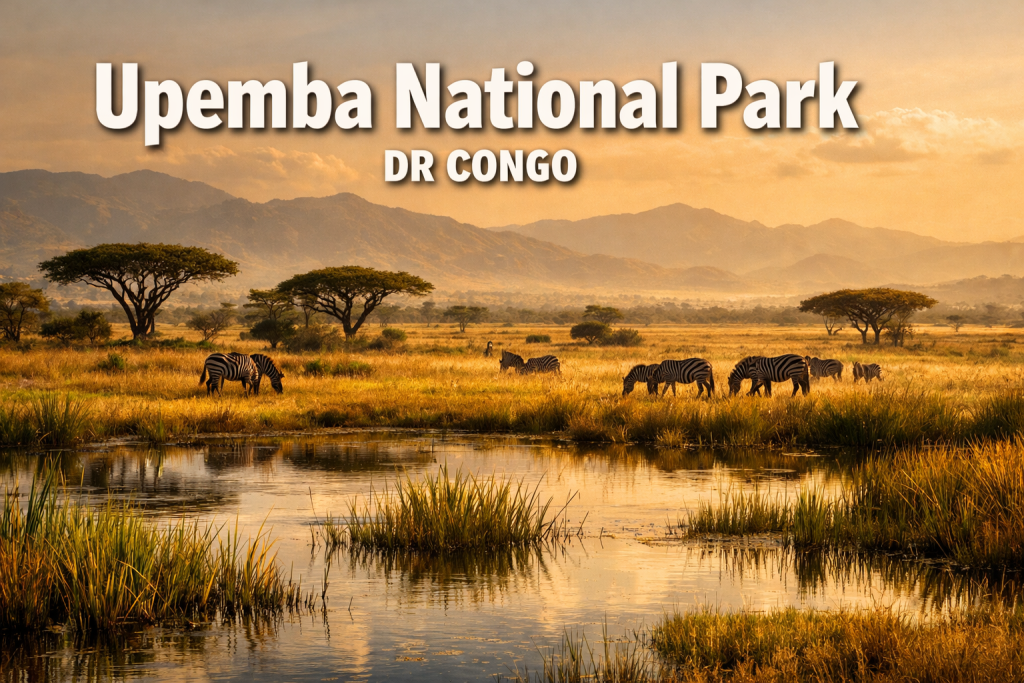
Upemba National Park Dr Congo is a 11,730 square kilometer conservation area located in southeastern Democratic Republic of Congo’s Lualaba and Haut-Lomami provinces. The park operates under a 15-year management partnership between the Forgotten Parks Foundation and ICCN (Institut Congolais pour la Conservation de la Nature) established in 2017, focusing on wildlife recovery after decades of conflict-related poaching. Visitors travel to Upemba for wildlife viewing focused on recovering zebra and elephant populations, wetland birding, and access to one of Central Africa’s least visited national parks with limited tourism infrastructure.
Upemba National Park operates as a recovering conservation area in southeastern DRC with approximately 42% under park authority control as of 2026.
Zebra populations increased from 35 individuals to 170 between 2022 and 2026, while elephant numbers surpassed 200 individuals.
The park historically supported 1,800 species including lions, cheetahs, and buffalo, though current large predator populations remain unconfirmed.
Access requires coordination with park management through official channels, with security conditions varying across different park zones.
Visitor facilities remain limited, with tourism infrastructure still under development following decades of conflict and poaching pressure.
Upemba National Park Dr Congo functions as a managed conservation area covering 11,730 square kilometers of savannah, wetlands, and woodland in Lualaba and Haut-Lomami provinces. The park operates under joint management between Forgotten Parks Foundation and DRC’s national park authority ICCN since 2017. Wildlife populations are recovering from near-total decimation during the Second Congo War, with zebra numbers reaching 170 individuals and elephants exceeding 200 as of early 2026[1]. Approximately 42% of park territory remains under operational control, with some remote areas still affected by armed group presence.
Upemba National Park Dr Congo Location and Access
Upemba National Park sits in southeastern Democratic Republic of Congo, spanning portions of Lualaba and Haut-Lomami provinces. The park lies approximately 500 kilometers south of Lubumbashi, the nearest major city with airport facilities.
Road access to Upemba requires 4×4 vehicles and advance coordination with park management. Conditions vary seasonally, with the dry season from May through October providing better road conditions than the November to April wet season. Travel time from Lubumbashi ranges from 8 to 12 hours depending on route and road conditions.
Charter flights to airstrips near the park can be arranged through safari operators working with park authorities. All visits require prior authorization from ICCN and coordination with the Forgotten Parks Foundation management team. Independent travel without arranged logistics is not recommended due to security considerations and limited infrastructure.
Wildlife Viewing and Game Drives in Upemba National Park
Game drives in Upemba National Park focus on recovering wildlife populations in the park’s controlled zones. Zebra herds now number 170 individuals, up from 35 in 2022, representing the park’s most visible wildlife recovery success. Elephant populations exceed 200 individuals, though these animals remain more dispersed across the park’s 11,730 square kilometers.
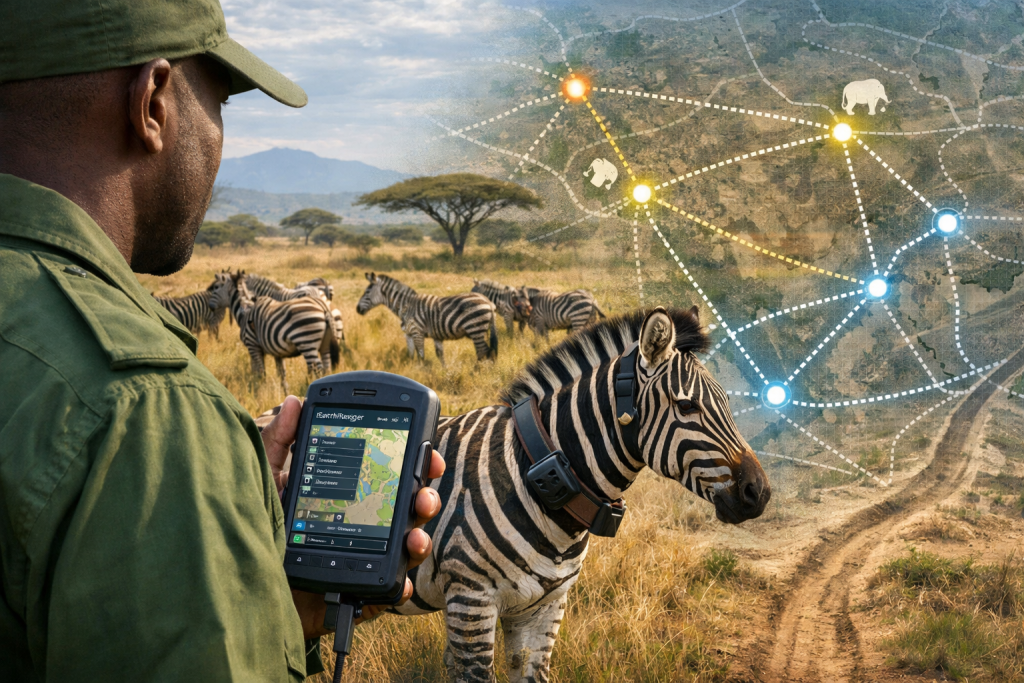
Seven zebras carry tracking collars integrated into the EarthRanger monitoring system, allowing rangers to monitor movement patterns and habitat use. Visitors should not expect guaranteed wildlife sightings, as animal densities remain far below historical levels when the park supported tens of thousands of elephants and diverse large mammal populations.
The park historically hosted 1,800 species including lions, cheetahs, buffalo, and other large mammals. Current status of large predator populations remains unconfirmed in available documentation. Bushmeat poaching continues as the primary threat to ecosystem recovery, particularly in zones beyond current park control.
Game drives operate with park ranger escorts in designated zones. Visitors travel in 4×4 safari vehicles provided by authorized operators. Drive duration typically ranges from 3 to 5 hours, with early morning and late afternoon timing preferred for wildlife activity.
Conservation Technology and Ranger Operations at Upemba National Park Dr Congo
Upemba National Park implements EarthRanger technology for wildlife monitoring and ranger safety. The system integrates GPS tracking data from collared animals, ranger patrol routes, and incident reporting into a centralized platform.
Garmin inReach satellite devices provide real-time ranger tracking in areas with limited cellular connectivity. This technology supports personnel safety monitoring and patrol coordination across the park’s extensive territory. Park management began transitioning from paper-based to digital data collection through EarthRanger Mobile implementation in late 2024.
Wildlife monitoring includes seven collared zebras tracked through the EarthRanger system. Elephant collaring operations were planned for May 2025 to expand behavioral data collection. Camera trap surveys and eDNA (environmental DNA) biodiversity inventories supplement direct observation methods.
The park lost two rangers and two community trackers during 2024, described by park manager Christine Lain as “the toughest year” in recent operations. Security challenges persist in zones where armed groups including Mai Mai Bakata Katanga maintain presence, limiting full park coverage to approximately 42% of total area.
Upemba National Park Safari Planning and Booking
Safari bookings to Upemba National Park require coordination with specialized DRC safari operators holding authorization to work in the park. Standard booking timelines range from 3 to 6 months in advance to arrange permits, logistics, and security clearances.
Tour packages typically include ground transport from Lubumbashi, park entry permits, ranger escort fees, camping or basic accommodation, and meals. Costs vary based on group size, duration, and transport method, with charter flight options adding to base pricing.
Visitors need valid DRC tourist visas obtained through DRC embassies or consulates before arrival. Yellow fever vaccination certificates are mandatory for entry to Democratic Republic of Congo. Malaria prophylaxis is required, as the park lies in a high-transmission zone.
Travel insurance covering medical evacuation is strongly recommended given limited medical facilities in the park region. Operators should provide emergency evacuation protocols as part of safari planning.
Group safaris offer cost advantages over private trips due to shared vehicle and guide expenses. Solo travelers typically join scheduled group departures or pay single supplements for private arrangements.
Accommodation and Camping Options Near Upemba National Park
Accommodation infrastructure at Upemba National Park remains limited as of 2026. Camping represents the primary overnight option for visitors, with basic campsites established in controlled park zones.
Tented camps provide canvas accommodation with camp beds, limited washing facilities, and communal dining areas. Operators supply camping equipment, cooking facilities, and staff for meal preparation. Electricity comes from portable generators or solar systems where available.
Visitors should expect basic field conditions rather than luxury safari lodge amenities. Water supplies are limited, with conservation practices required. Toilet facilities are pit latrines or portable systems depending on campsite setup.
Security protocols include ranger presence at overnight camps. Visitors remain within designated camp areas after dark, with movement restrictions for safety.
The nearest town accommodation lies outside park boundaries, requiring additional travel time to reach wildlife viewing zones. Multi-day visits with camping inside the park maximize wildlife viewing opportunities and reduce daily travel distances.
Best Time to Visit Upemba National Park Dr Congo
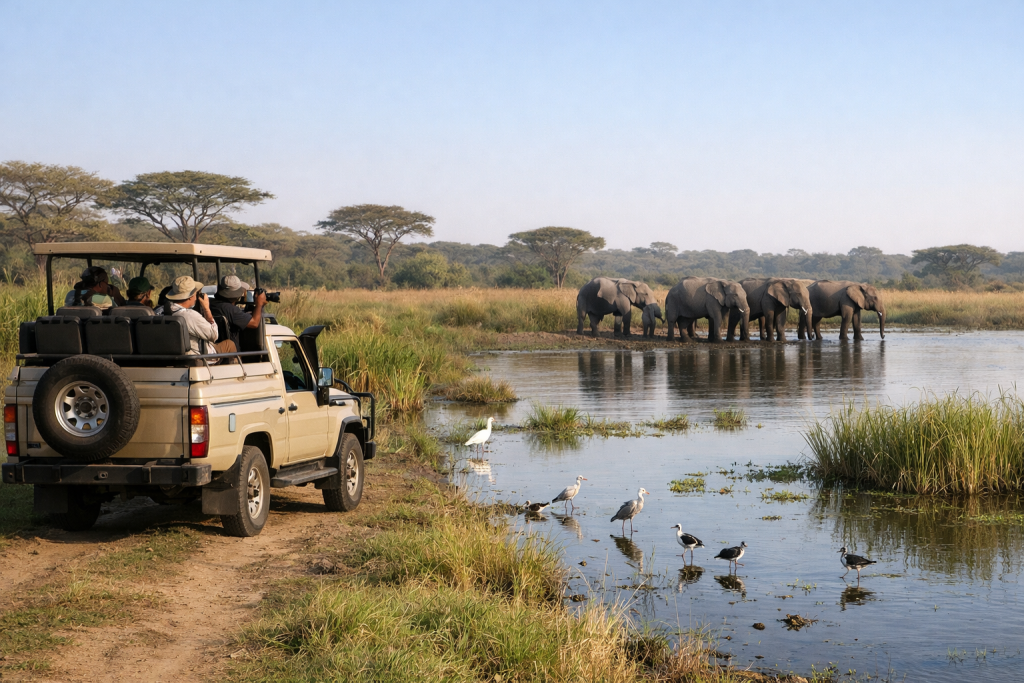
The dry season from May through October provides optimal conditions for visiting Upemba National Park. Roads become more passable, wildlife concentrates near permanent water sources, and camping conditions improve with reduced rainfall.
June, July, and August represent peak dry season months with lowest precipitation and best road access. Wildlife viewing improves as vegetation thins and animals gather at rivers and wetlands. Temperatures range from 15 to 28 degrees Celsius during this period.
The wet season from November through April brings heavy rains, flooding in low-lying areas, and difficult road conditions. Many tracks become impassable without specialized equipment. Wildlife disperses across the landscape as water becomes widely available.
March and April mark the end of the wet season, with conditions gradually improving but roads still challenging. November and December bring the onset of rains after the dry season.
Birding opportunities peak during the wet season when migratory species arrive and resident birds breed. Photographers find better light conditions during dry season months with clearer skies.
Visitor numbers remain low year-round given the park’s remote location and limited tourism development. Advance booking is required regardless of season to arrange permits and logistics.
Safety and Security Considerations for Upemba National Park Travel
Security conditions at Upemba National Park vary across different zones. Approximately 42% of the park operates under park authority control, with some remote river valleys still affected by armed group presence. Visitors access only zones cleared by park management and ICCN authorities.
All safaris include armed ranger escorts for visitor protection and wildlife management. Rangers accompany vehicles during game drives and maintain presence at overnight camps. Visitors follow ranger instructions regarding movement, timing, and restricted areas.
The park lost four staff members (two rangers and two community trackers) in 2024, highlighting ongoing security challenges. Operators provide current security assessments as part of pre-trip briefings.
Medical facilities near the park are limited to basic clinics in regional towns. Serious medical situations require evacuation to Lubumbashi or beyond. Travel insurance with medical evacuation coverage is necessary.
Communication infrastructure remains limited, with satellite phones providing primary contact in many park areas. Cellular coverage is absent or unreliable across most of the park.
Visitors should register travel plans with their embassies and follow current travel advisories for Democratic Republic of Congo. Security conditions can change, requiring flexible itineraries and contingency planning.
Upemba National Park Conservation History and Recovery
Upemba National Park experienced severe wildlife population collapse during the Second Congo War and subsequent years of instability. Poaching reached what park management describes as “nearly industrial” levels, decimating elephant populations from tens of thousands to scattered survivors.
The Forgotten Parks Foundation signed a 15-year management agreement with the DRC government in 2017 to revitalize the park. Christine Lain serves as park manager, overseeing operations in partnership with ICCN.
Wildlife recovery began showing measurable results by 2022. Zebra populations increased from 35 individuals to 170 by early 2026, demonstrating successful anti-poaching efforts and habitat protection. Elephant numbers surpassed 200 individuals, though this represents a fraction of historical populations.
Bushmeat poaching remains the primary ongoing threat to ecosystem integrity. Park rangers conduct regular patrols, with digital monitoring systems improving coverage and response times.
Biodiversity surveys launched in recent years include camera trapping and eDNA sampling to document species presence and population trends. These inventories will establish baseline data for measuring long-term recovery.
The park historically supported 1,800 species across diverse habitats including savannah, wetlands, and woodland zones. Full ecosystem recovery will require decades of sustained protection and management investment.
Visitor Regulations and Park Rules at Upemba National Park Dr Congo
All visitors to Upemba National Park must obtain entry permits through ICCN in coordination with authorized tour operators. Independent entry without permits and approved logistics is prohibited.
Park entry fees apply per person per day, with rates set by ICCN. Additional fees cover ranger escort services, camping permits, and vehicle access. Operators include these costs in safari package pricing.
Wildlife viewing maintains minimum approach distances determined by rangers based on animal behavior and safety considerations. Visitors remain in vehicles during game drives unless rangers authorize walking in specific areas.
Feeding wildlife is strictly prohibited. Visitors store all food securely and dispose of waste according to park protocols. Littering carries penalties and damages conservation efforts.
Photography is permitted for personal use. Commercial filming requires special permits and additional fees arranged through ICCN. Drone use needs advance authorization from park management.
Alcohol consumption in the park is permitted in moderation at camps but prohibited during game drives and ranger-led activities. Visitors follow ranger instructions regarding noise levels and behavior around wildlife.
Collecting plants, animals, rocks, or other natural materials is prohibited. Visitors leave only footprints and take only photographs and memories.
FAQ About Upemba National Park Dr Congo Safari Travel
How do visitors reach Upemba National Park from Lubumbashi?
Visitors travel by 4×4 vehicle on a journey taking 8 to 12 hours depending on road conditions and route. Charter flights to nearby airstrips can be arranged through specialized operators. All access requires advance coordination with park management.
What wildlife can visitors expect to see at Upemba National Park?
Zebra herds numbering 170 individuals and elephant populations exceeding 200 represent the most visible wildlife. The park historically supported 1,800 species, but current populations of many large mammals remain at recovery levels following decades of poaching.
Is Upemba National Park safe for tourists in 2026?
Approximately 42% of the park operates under secure management control. Visitors access only cleared zones with armed ranger escorts. Security conditions vary, and operators provide current assessments. Four park staff died in 2024, reflecting ongoing challenges in some areas.
What accommodation options exist at Upemba National Park?
Basic tented camps and camping facilities provide overnight accommodation within the park. Infrastructure remains limited compared to established safari destinations. Operators supply equipment, meals, and staff for field camps.
When is the best season to visit Upemba National Park Dr Congo?
The dry season from May through October offers best road access and wildlife viewing conditions. June, July, and August provide peak dry conditions. The wet season from November to April brings difficult roads and dispersed wildlife.
Do visitors need special permits for Upemba National Park?
Yes, all visitors require entry permits issued by ICCN through authorized tour operators. DRC tourist visas, yellow fever vaccination certificates, and advance booking are mandatory. Independent travel without permits is prohibited.
What conservation technology does Upemba National Park use?
The park implements EarthRanger software integrating GPS tracking of collared wildlife, ranger patrol monitoring, and incident reporting. Seven zebras carry tracking collars, with elephant collaring planned. Garmin inReach devices provide satellite communication in remote areas.
How much does an Upemba National Park safari cost?
Costs vary based on group size, duration, transport method, and service level. Multi-day safaris with ground transport, camping, meals, permits, and ranger escorts typically range from moderate to high pricing due to remote location and specialized logistics required.
What health precautions do visitors need for Upemba National Park?
Yellow fever vaccination is mandatory for DRC entry. Malaria prophylaxis is required as the park lies in a high-transmission zone. Travel insurance with medical evacuation coverage is necessary given limited local medical facilities.
Can visitors see lions or cheetahs at Upemba National Park?
The park historically supported lions and cheetahs among 1,800 total species. Current status of large predator populations is not confirmed in recent documentation. Wildlife recovery focuses primarily on zebra and elephant populations as of 2026.
Who manages Upemba National Park operations?
The Forgotten Parks Foundation operates the park under a 15-year management agreement with the DRC government signed in 2017. Christine Lain serves as park manager, working in partnership with ICCN, the national park authority.
What are the main threats to wildlife at Upemba National Park?
Bushmeat poaching represents the primary threat to ecosystem integrity. The park experienced nearly industrial-scale poaching during the Second Congo War. Armed groups maintain presence in some remote zones, limiting full park coverage to about 42% of total area.
Key Takeaways About Upemba National Park Dr Congo Travel
Upemba National Park operates as a recovering conservation area under joint management between Forgotten Parks Foundation and ICCN since 2017, with approximately 42% of the 11,730 square kilometer park under operational control.
Zebra populations recovered from 35 to 170 individuals between 2022 and 2026, while elephants now exceed 200, demonstrating measurable conservation success following decades of conflict-related poaching.
Visitors require advance permits through ICCN, coordination with authorized operators, DRC visas, yellow fever vaccination, and malaria prophylaxis for travel to this remote southeastern DRC location.
Safari infrastructure remains basic, with tented camping the primary accommodation option and 4×4 vehicle access from Lubumbashi taking 8 to 12 hours depending on conditions.
The dry season from May through October provides optimal visiting conditions with better road access and concentrated wildlife viewing opportunities near permanent water sources.
Security protocols include armed ranger escorts, restricted access to cleared zones only, and contingency planning given ongoing challenges in some park areas that resulted in four staff deaths in 2024.
The park implements EarthRanger technology for wildlife monitoring and ranger safety, with seven collared zebras tracked and digital data collection replacing paper systems.
Bushmeat poaching continues as the main ecosystem threat, though anti-poaching efforts and habitat protection show measurable results in wildlife population recovery.
Travel costs reflect the remote location, specialized logistics, security requirements, and limited infrastructure, with group safaris offering better value than solo arrangements.
Realistic expectations are necessary, as wildlife densities remain far below the historical 1,800 species the park once supported, with current large predator status unconfirmed.