Idjwi Island Dr Congo Travel Guide and Current Situation
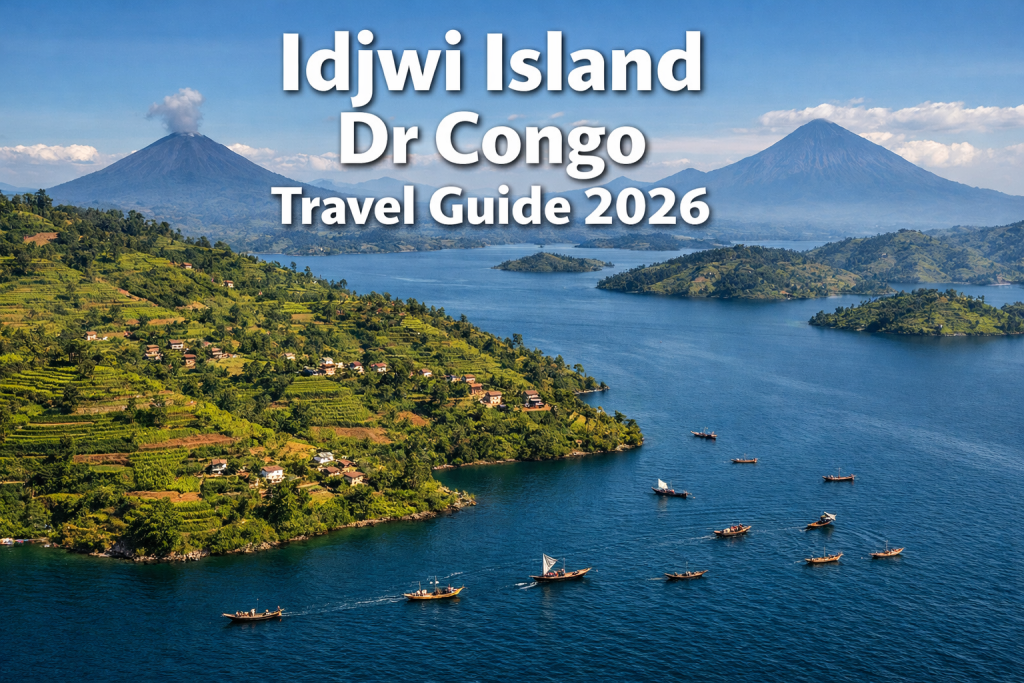
Idjwi Island Dr Congo is the largest island in the Democratic Republic of Congo by surface area and population density, located in Lake Kivu approximately 70 kilometers from Bukavu City and 60 kilometers from Goma City. The island came under M23 rebel control in early 2026 without military resistance as part of broader territorial advances across eastern DRC. Travel to Idjwi Island is currently not recommended for tourists due to active conflict, military control by non-state armed groups, and the presence of approximately 42,800 displaced persons living in precarious conditions on the island.
Idjwi Island Dr Congo is currently under M23 rebel control and not accessible for tourism in 2026. The island sits in the middle of Lake Kivu and serves as a strategic location controlling access to multiple South Kivu territories. Approximately 42,800 displaced persons have fled to the island from neighboring conflict zones. Lake Kivu remains entirely under M23 and Rwandan military control. Travel operators have suspended all bookings and tours to the region. Humanitarian access remains limited with aid operations severely restricted.
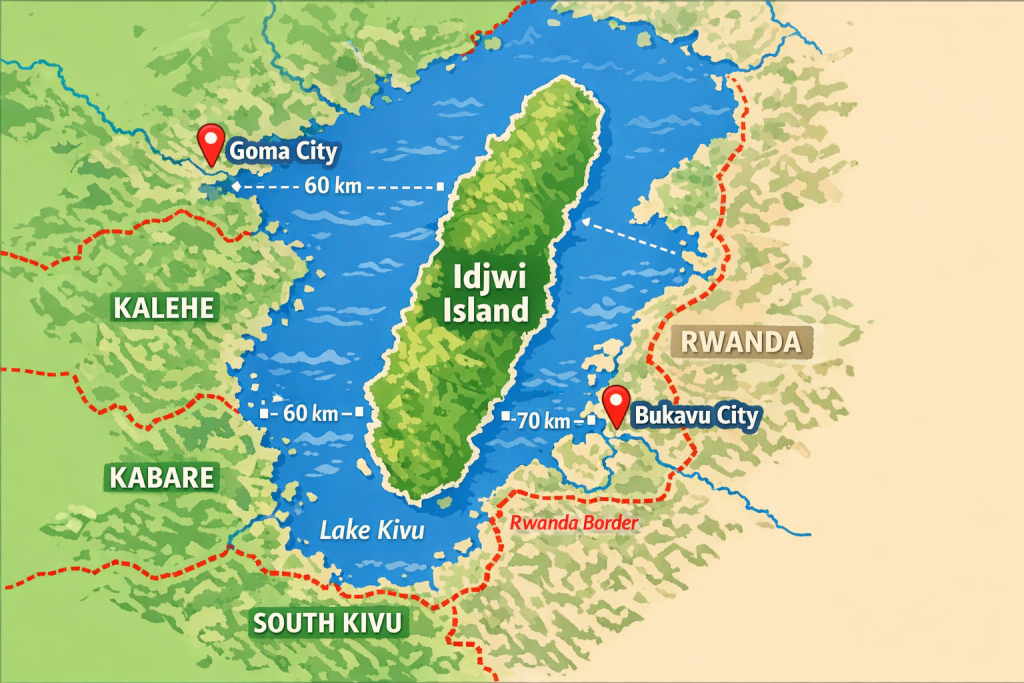
Idjwi Island Dr Congo cannot be visited for tourism purposes in 2026. M23 rebels claimed control of the island in early 2026 following their capture of Goma on January 27 and Bukavu on February 16. The island functions as a strategic military position rather than a tourist destination. All commercial boat services, accommodation facilities, and tour operations have ceased. Visitors planning travel to eastern DRC should avoid Lake Kivu entirely and monitor security updates from diplomatic sources.
Geographic Location of Idjwi Island Dr Congo
Idjwi Island Dr Congo sits in the center of Lake Kivu, positioned between the eastern DRC mainland and the Rwandan border. The island measures as the largest landmass within DRC’s lake territories based on both surface area and population concentration.
The island’s location places it 70 kilometers southwest of Bukavu City, the capital of South Kivu province. Goma City lies 60 kilometers to the north along Lake Kivu’s shoreline. These distance measurements apply to direct water routes across the lake rather than overland road distances.
Lake Kivu forms part of the Great Rift Valley system and serves as a natural border between DRC and Rwanda. The lake extends approximately 90 kilometers in length and reaches depths exceeding 480 meters in certain sections. Water temperatures remain relatively warm year-round due to volcanic activity beneath the lake bed.
Strategic Importance of Idjwi Island Location
The island’s position in Lake Kivu provides direct water access to Rwanda and control over multiple territorial zones in South Kivu province. M23’s capture of Idjwi Island enables oversight of Irhe, Iko, Kalehe, Kabonde, Ludjo, Lugendo, and Ishungu territories in the Kabare administrative area.
Lake Kivu operates entirely under M23 and Rwandan military control as of 2026, making the island’s capture a logical extension of existing territorial dominance. Control of the lake restricts movement between DRC’s mainland territories and limits government forces’ ability to resupply or reinforce positions.
The island lacks airport facilities or airstrips. All access depends on boat transport across Lake Kivu. This geographic isolation creates natural defensive advantages for military forces controlling the shoreline and limits options for evacuation or humanitarian relief operations.
M23 Control and Military Situation on Idjwi Island Dr Congo
M23 fighters claimed control of Idjwi Island Dr Congo without encountering military resistance from Armed Forces of the Democratic Republic of Congo (FARDC) or coalition partner forces.FARDC soldiers and allied militia groups reportedly fled the island before M23’s arrival.
M23 forces addressed local populations directly after establishing control and utilized local radio stations to broadcast messages across the island.This communication strategy mirrors approaches used during M23’s capture of other territories in South Kivu and North Kivu provinces.
The capture occurred within a broader military campaign that saw M23 take control of Goma on January 27, 2026, and Bukavu on February 16, 2026.These urban centers represent the two largest cities in eastern DRC and serve as provincial capitals for North Kivu and South Kivu respectively.
The Southern African Development Community (SADC) announced the termination of its military mission (SAMIDRC) and ordered gradual withdrawal of troops from DRC following M23’s territorial gains.This withdrawal removed international peacekeeping forces that had operated in eastern DRC since late 2024.
Humanitarian Crisis and Displaced Populations
Approximately 42,800 displaced persons have sought refuge on Idjwi Island Dr Congo after fleeing M23 violence in neighboring Kalehe and Kabare territories. These internally displaced populations live without adequate shelter, food supplies, or medical services.
Humanitarian organizations report restricted access to the island due to military control of Lake Kivu and limitations on boat movements. Aid delivery depends on permissions from M23 authorities controlling water routes and landing points.
The humanitarian coordinator for DRC warned that M23’s continued advances would complicate relief operations across eastern DRC. The potential closure of Kavumu airport, which serves as a primary supply hub for aid organizations, threatens to further restrict humanitarian access to affected populations.
Displaced populations on Idjwi Island face particular challenges due to the island’s isolation and limited agricultural capacity to support sudden population increases. Water sources, sanitation facilities, and healthcare infrastructure designed for the island’s resident population cannot adequately serve the additional 42,800 displaced persons.
Travel Access and Transportation to Idjwi Island
Travel to Idjwi Island Dr Congo requires boat transport across Lake Kivu from either Bukavu or Goma under normal circumstances. Commercial boat services operated regular passenger routes before M23’s territorial advances in 2026. These services have been suspended indefinitely.
The 70-kilometer water route from Bukavu typically required three to four hours depending on boat type and weather conditions. The 60-kilometer route from Goma followed similar timing patterns. Lake Kivu experiences afternoon wind patterns that can create rough water conditions and affect crossing times.
No commercial airlines operate flights to Idjwi Island due to the absence of airport infrastructure. Charter helicopter services previously available for emergency medical evacuations or government transport have ceased operations in the conflict zone.
Road access does not exist to Idjwi Island. The island’s separation from mainland DRC by Lake Kivu means all cargo, supplies, and passenger movements depend entirely on water transport. This creates complete dependency on boat access and makes the island vulnerable to blockades or transport restrictions.
Current Security Situation for Visitors
Idjwi Island Dr Congo presents severe security risks that make tourist visits impossible in 2026. M23 control of the island and surrounding Lake Kivu region creates an active conflict zone where civilian safety cannot be guaranteed.
Multiple governments have issued travel advisories warning against all travel to North Kivu and South Kivu provinces. These advisories specifically mention the risks of armed conflict, kidnapping, and lack of consular assistance in areas under non-state armed group control.
The presence of 42,800 displaced persons on the island indicates ongoing violence in surrounding territories that continues to generate refugee flows.This displacement pattern suggests active combat operations in areas adjacent to Lake Kivu.
No international peacekeeping forces remain deployed in the region following SADC’s withdrawal announcement.This removes the limited security buffer that previously existed between armed groups and civilian populations.
Accommodation and Tourism Infrastructure Status
Tourist accommodation facilities on Idjwi Island Dr Congo have ceased operations due to the security situation and M23 control. Guesthouses, lodges, and community-based tourism projects that previously hosted visitors have closed or been repurposed.
The island’s tourism sector before 2026 focused on cultural visits, agricultural tours, and lake-based activities. Small-scale guesthouses provided basic accommodation for travelers interested in rural community experiences and birdwatching along Lake Kivu’s shoreline.
No international hotel chains or luxury lodges operated on Idjwi Island even before the current conflict. Tourism infrastructure remained limited to locally-owned guesthouses and homestay arrangements managed through community cooperatives.
Restaurant facilities, guided tour services, and boat rental operations have suspended activities. The displacement crisis and military presence have disrupted normal economic activities that supported small-scale tourism operations.
Diplomatic and Negotiation Developments
Angola announced direct negotiations between the DRC government in Kinshasa and M23 rebels scheduled to begin March 18, 2025, in Luanda. These talks aim to address territorial control, ceasefire arrangements, and political grievances underlying the conflict.
Previous negotiation attempts mediated by the East African Community and other regional bodies failed to produce lasting agreements. The involvement of Angola represents a shift in diplomatic leadership for peace processes in eastern DRC.
The negotiations occur against the backdrop of M23’s control over major urban centers including Goma and Bukavu, giving the rebel group substantial leverage in talks. Control of Idjwi Island and Lake Kivu adds to M23’s territorial position entering negotiations.
International observers note that successful negotiations would need to address the role of Rwandan military forces operating alongside M23, refugee repatriation, and the integration or demobilization of armed groups. The complexity of these issues suggests extended negotiation timelines before any resolution.
Alternative Congo Travel Destinations
Travelers interested in Congo tourism should consider destinations in western and central DRC far from the eastern conflict zones. Virunga National Park in North Kivu province remains closed to tourism due to the security situation and M23 control of access routes.
Kahuzi-Biega National Park, known for eastern lowland gorilla trekking, has suspended tourism operations. The park’s location in South Kivu province places it within the active conflict zone. Tour operators have canceled all gorilla trekking permits indefinitely.
Garamba National Park in northeastern DRC continues limited operations for wildlife viewing focused on savannah species. Access requires flights to Dungu followed by road transfers. Security assessments and armed ranger escorts accompany all visitor movements within the park.
Salonga National Park in central DRC offers bonobo tracking and rainforest exploration for experienced travelers. The park’s remote location in Equateur and Mai-Ndombe provinces keeps it distant from eastern conflict zones. Access requires charter flights and advance coordination with park authorities.
Health and Safety Considerations
Malaria transmission occurs year-round across Idjwi Island Dr Congo and the broader Lake Kivu region. The lake’s elevation at approximately 1,460 meters above sea level reduces but does not eliminate malaria risk compared to lower-altitude areas.
Yellow fever vaccination remains mandatory for entry to DRC. Travelers must carry valid yellow fever certificates and present them at immigration checkpoints. Other recommended vaccinations include hepatitis A and B, typhoid, and routine immunizations.
Lake Kivu contains dissolved methane and carbon dioxide gases in deep water layers. Swimming and water activities near shorelines pose minimal risk, but volcanic activity beneath the lake creates potential for limnic eruption events. This natural hazard exists independent of the current conflict situation.
Medical facilities on Idjwi Island provide only basic primary care under normal circumstances. The displacement crisis and conflict have further strained limited healthcare capacity. Medical evacuation options do not exist from the island in 2026 due to suspended air and boat services.
Future Tourism Prospects for Idjwi Island Dr Congo
Tourism development on Idjwi Island Dr Congo depends entirely on resolution of the armed conflict and restoration of civilian governance. The timeline for these conditions remains uncertain as of 2026.
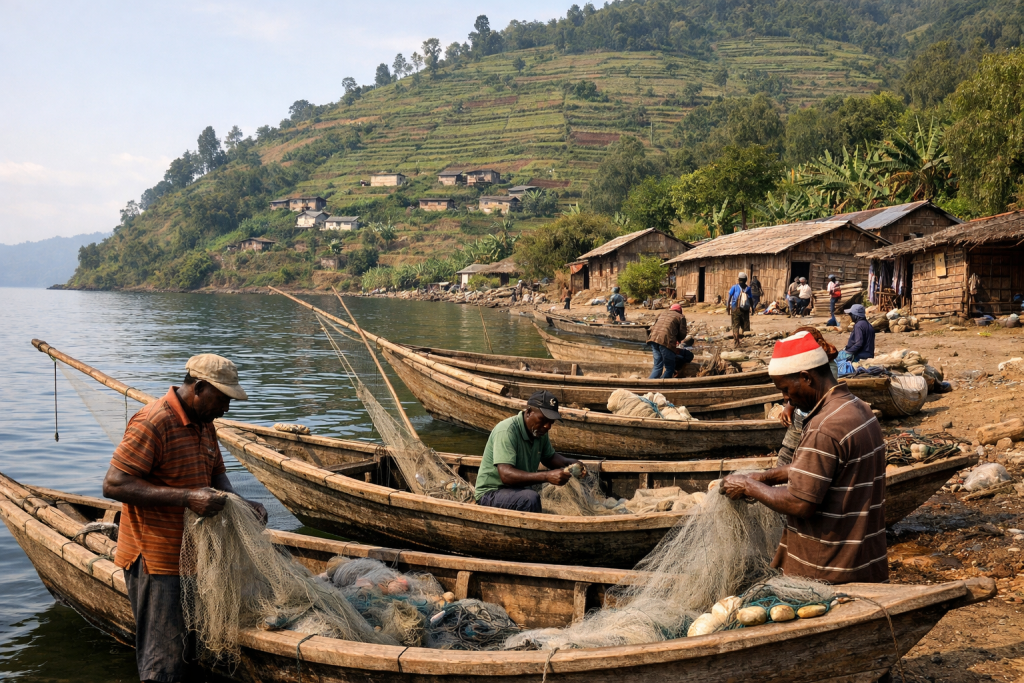
The island’s tourism potential centers on agricultural landscapes, fishing communities, and cultural heritage. Terraced hillsides produce coffee, cassava, and vegetables using traditional farming methods. Lake Kivu’s shoreline supports fishing villages that maintain customary practices and boat-building techniques.
Birdwatching opportunities exist around wetland areas and forest patches on the island. Lake Kivu hosts both resident and migratory waterbird species. Endemic species found in the Albertine Rift region occur in suitable habitats on Idjwi Island.
Community-based tourism models developed before the conflict emphasized homestays, agricultural tours, and cultural exchanges. These initiatives provided income to local families while maintaining low environmental impact. Restoration of such programs would require security stabilization, infrastructure rehabilitation, and rebuilding of trust between communities and visitors.
Travel Planning Advice for Congo Visitors
Travelers planning Congo trips in 2026 should avoid all areas in North Kivu and South Kivu provinces. This includes Idjwi Island Dr Congo, Goma, Bukavu, and surrounding territories under M23 control or affected by active conflict.
Tour operators specializing in Congo travel have suspended operations in eastern regions. Reputable companies will not accept bookings for destinations in conflict zones regardless of client requests. Operators continuing to offer eastern Congo tours demonstrate poor risk assessment and should be avoided.
Travel insurance policies typically exclude coverage for travel to areas under government travel advisories warning against all travel. Visitors who enter conflict zones against official warnings may find themselves without insurance coverage for medical evacuation, trip cancellation, or emergency assistance.
Visa applications for DRC require proof of yellow fever vaccination, return flight tickets, and accommodation confirmations. Consular services in Kinshasa and other western DRC cities continue processing visa applications for travelers visiting approved destinations outside conflict zones.
Monitoring Security Updates and Travel Advisories
Government foreign affairs departments publish updated travel advisories for DRC that reflect current security conditions. These advisories categorize regions by risk level and provide specific guidance on areas to avoid.
The United Nations Organization Stabilization Mission in the Democratic Republic of the Congo (MONUSCO) releases periodic security reports documenting armed group activities, displacement patterns, and humanitarian conditions. These reports provide detailed information on specific territories and conflict developments.
Humanitarian organizations including the UN Office for the Coordination of Humanitarian Affairs (OCHA) publish situation reports tracking displacement, access constraints, and aid delivery challenges. These reports offer ground-level information about conditions in affected areas including Idjwi Island.
Tour operators with established Congo operations maintain security monitoring systems and communicate directly with clients about changing conditions. Operators typically suspend bookings and offer full refunds when security situations deteriorate in planned destinations.
Frequently Asked Questions About Idjwi Island Dr Congo
Can tourists visit Idjwi Island Dr Congo in 2026?
No. Idjwi Island remains under M23 rebel control and is not accessible for tourism. All commercial boat services, accommodation facilities, and tour operations have ceased. Government travel advisories warn against all travel to South Kivu province where the island is located.
How do you reach Idjwi Island from Bukavu or Goma?
Under normal circumstances, boat transport from Bukavu (70 kilometers) or Goma (60 kilometers) provides the only access to Idjwi Island. These services are currently suspended due to M23 control of Lake Kivu. No airport exists on the island and road access is not possible.
Is Idjwi Island safe for travelers?
No. The island presents severe security risks due to active conflict, military control by armed groups, and the presence of 42,800 displaced persons fleeing violence. No international peacekeeping forces operate in the region and consular assistance is not available.
What is the current situation on Idjwi Island?
M23 rebels control Idjwi Island as of 2026 after taking the territory without military resistance.The island hosts approximately 42,800 internally displaced persons living in precarious conditions. Humanitarian access remains restricted and basic services are severely limited.
When will tourism resume on Idjwi Island Dr Congo?
Tourism resumption depends on conflict resolution, restoration of civilian governance, and security stabilization. No timeline can be provided as negotiations between DRC government and M23 rebels are ongoing. Tour operators have not announced any plans to resume operations.
What was Idjwi Island known for before the conflict?
Idjwi Island attracted visitors interested in agricultural tourism, fishing communities, and cultural experiences. The island’s terraced hillsides, traditional farming methods, and Lake Kivu shoreline provided settings for community-based tourism focused on rural life and cultural exchange.
Are there alternative destinations to Idjwi Island in Congo?
Travelers should consider destinations in western and central DRC including Salonga National Park for bonobo tracking or Garamba National Park for savannah wildlife. All destinations in North Kivu and South Kivu provinces remain closed to tourism due to conflict.
What permits are needed to visit Idjwi Island?
Under normal circumstances, no special permits are required for Idjwi Island beyond standard DRC visa requirements. Current military control makes permit questions irrelevant as civilian access is not permitted regardless of documentation.
How large is Idjwi Island?
Idjwi Island is the largest island in the Democratic Republic of Congo by surface area and population density. The island extends approximately 70 kilometers in length and varies in width. Exact measurements depend on lake water levels which fluctuate seasonally.
What languages are spoken on Idjwi Island?
Local populations speak Kihavu, a Bantu language related to Kinyarwanda. French serves as the official language for administrative purposes. Swahili is widely understood as a regional trade language across eastern DRC.
Does Idjwi Island have medical facilities?
The island has basic health clinics providing primary care under normal circumstances. The current displacement crisis and conflict have overwhelmed limited medical capacity. No hospitals exist on the island and medical evacuation is not possible in 2026.
What is the climate like on Idjwi Island Dr Congo?
Idjwi Island experiences a tropical highland climate moderated by Lake Kivu’s elevation at 1,460 meters. Temperatures remain relatively stable year-round ranging from 15 to 25 degrees Celsius. Two rainy seasons occur from September to November and March to May.
Key Takeaways
Idjwi Island Dr Congo is the largest island in the Democratic Republic of Congo, located in Lake Kivu approximately 70 kilometers from Bukavu and 60 kilometers from Goma. M23 rebels control the island as of 2026 following territorial advances that included capture of Goma and Bukavu.Tourism to Idjwi Island is not possible due to active conflict, military control, and security risks that make civilian access impossible.
Approximately 42,800 displaced persons have fled to the island from neighboring conflict zones in Kalehe and Kabare territories. These populations live without adequate humanitarian assistance due to restricted access and limited aid delivery. Lake Kivu remains entirely under M23 and Rwandan military control, isolating the island from government-controlled territories.
All commercial boat services, accommodation facilities, and tour operations have ceased. Travel advisories from multiple governments warn against all travel to North Kivu and South Kivu provinces. No international peacekeeping forces operate in the region following SADC’s withdrawal announcement.
Negotiations between DRC government and M23 rebels were scheduled to begin in March 2025 in Luanda, Angola.The outcome and timeline for these talks remain uncertain. Tourism resumption depends on conflict resolution and security stabilization with no predictable timeframe.
Travelers interested in Congo tourism should consider destinations in western and central DRC far from eastern conflict zones. Reputable tour operators have suspended all operations in North Kivu and South Kivu provinces and will not accept bookings for conflict-affected areas.