Zongo Falls Congo Travel Guide
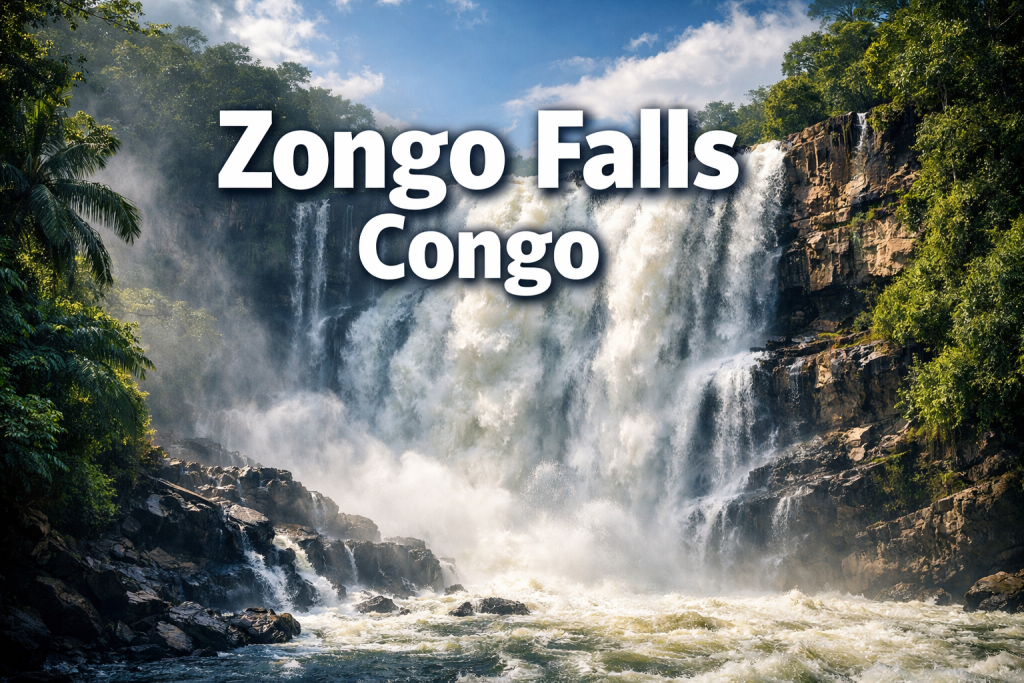
Zongo Falls Congo is a 65-meter waterfall located 135 kilometers from Kinshasa in Bas Congo Province, where the Inkisi River joins the Congo River. The falls attract thousands of visitors annually as a day trip destination from the capital, requiring three to four hours of driving including 50 kilometers on unpaved roads. Visitors travel to see the powerful water cascade, photograph the mist rising from the base, and access the nearby 10-kilometer beach during dry season months.
Zongo Falls Congo is a 65-meter waterfall accessible as a day trip from Kinshasa, located 135 kilometers away in Bas Congo Province where the Inkisi River meets the Congo River. The journey takes three to four hours with the final 50 kilometers on rough unpaved roads requiring a 4WD vehicle. Vehicle hire costs approximately US$200, and the falls are best visited during the dry season when the nearby 10-kilometer beach becomes accessible. The site features water vapor that rises visibly into the sky and serves as part of multi-day tour packages combining Kinshasa attractions and wildlife visits.
Zongo Falls Congo stands 65 meters high at the junction of the Inkisi River and Congo River in Bas Congo Province, 135 kilometers from Kinshasa. The waterfall requires a three to four-hour drive from the capital, with the final 50 kilometers on bumpy unpaved roads that demand a 4WD vehicle. Tour operators include the falls in packages with Kinshasa city tours and wildlife visits, and the site attracts thousands of international visitors each year.
Location and Access to Zongo Falls Congo
Zongo Falls sits 135 kilometers from Kinshasa on the Moanda road in Bas Congo Province. The waterfall marks the point where the Inkisi River flows into the Congo River.
The route from Kinshasa to Kisantu covers 120 kilometers of paved road. From Kisantu, a 50-kilometer branch road leads to the falls. This final section consists of unpaved, bumpy terrain that requires a four-wheel-drive vehicle.
Travel time from Kinshasa ranges from three to four hours depending on road conditions and vehicle type. Visitors should plan for slower progress on the unpaved section, particularly during wet season months when the road becomes more difficult to navigate.
Vehicle Requirements and Transport Costs

A 4WD vehicle is required for the unpaved 50-kilometer section from Kisantu to the falls. Standard sedans cannot handle the rough road conditions safely.
Vehicle hire with driver costs approximately US$200 for the day trip. This rate typically covers the round trip from Kinshasa, waiting time at the falls, and return to the capital.
Tour operators in Kinshasa arrange transport as part of organized packages. Private vehicle hire allows more flexibility in timing and duration at the falls compared to group tours.
Physical Features of Zongo Falls Congo
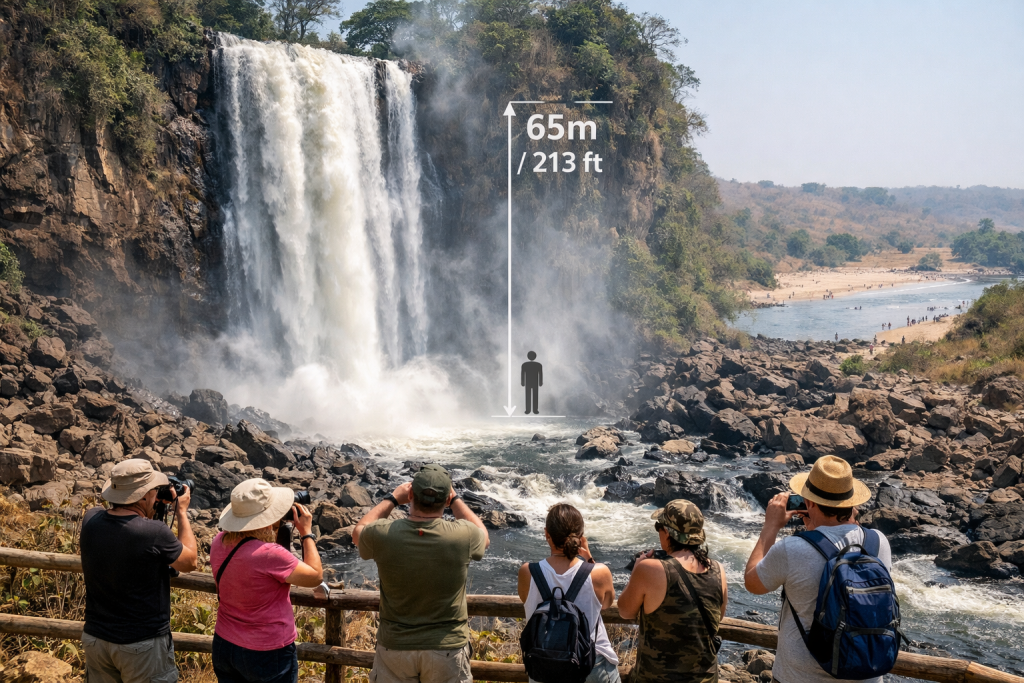
The waterfall drops 65 meters from the cliff face to the river below. Water volume varies by season, with higher flow during wet months and reduced flow during the dry season.
When river water hits the ground at the base, water vapor rises visibly into the sky. This mist creates a cooling effect in the immediate area around the falls and provides conditions for photography.
The surrounding terrain consists of rocky outcrops and tropical vegetation. The falls are visible from several vantage points along the river bank, with paths leading to different viewing areas.
Seasonal Conditions and Best Time to Visit
Dry season months offer the most reliable access to Zongo Falls Congo. During these months, a 10-kilometer beach area near the falls becomes accessible for visitors. This beach provides space for relaxation and closer access to the water.
Wet season brings higher water volume over the falls but makes road access more challenging. The unpaved 50-kilometer section becomes muddy and requires extra driving time. Some tour operators reduce trips during peak wet months.
Water levels affect the appearance of the falls and the accessibility of viewing points. Lower dry season levels allow visitors to approach closer to the base, while wet season creates more dramatic water flow but limits safe viewing distances.
Zongo Falls Congo Day Trip Itineraries

Most visitors take Zongo Falls as a day trip from Kinshasa. Departure from the capital typically occurs in early morning to allow three to four hours of travel time, several hours at the falls, and return before dark.
Tour packages combine the falls with other attractions in the region. Multi-day itineraries include visits to Kinshasa city sites, the Bonobos sanctuary, and Parc de la Vallée de la N’sele. These packages range from four days to longer durations depending on the number of sites included.
A typical day trip schedule allows two to three hours at the falls for viewing, photography, and exploring the beach area during dry season. Visitors bring packed meals or purchase food from local vendors near the site.
Photography and Viewing Conditions
The 65-meter drop provides clear vertical composition opportunities for photography. The mist rising from the base adds atmospheric elements to images, particularly in morning and late afternoon light.
Multiple viewing points along the river bank offer different angles of the falls. Some positions provide full-height views of the cascade, while others focus on the base where water meets rock.
Camera equipment should include weather protection for mist exposure. Tripods help with longer exposures to capture water movement, though handheld shooting is possible during midday when light levels are higher.
Visitor Numbers and Tourism Activity.
Zongo Falls attracts thousands of visitors annually from around the world. The site functions as one of the main natural attractions accessible from Kinshasa within a day trip timeframe.
Tour operators in Kinshasa include the falls in standard packages for international tourists visiting the Democratic Republic of Congo. The waterfall serves as a nature-based activity option for visitors whose primary focus may be Kinshasa business or cultural sites.
Local visitors from Kinshasa also use the falls for weekend trips and special occasions. The beach area during dry season accommodates groups for picnics and water-based relaxation.
Multi-Day Tour Packages Including Zongo Falls
Four-day packages combine Zongo Falls with Kinshasa city tours and the Bonobos sanctuary. These itineraries typically allocate one full day to the waterfall visit, one day to primate viewing, and time in the capital for cultural and historical sites.
Extended packages add Parc de la Vallée de la N’sele to the itinerary. This park visit provides wildlife viewing opportunities and adds another day to the total trip duration.
Tour operators handle all transport, accommodation, and guide services for package bookings. Prices vary based on accommodation standard, group size, and included meals. Private tours cost more than shared group departures.
Practical Considerations for Visiting Zongo Falls Congo
Visitors should carry sufficient drinking water for the day trip. The three to four-hour drive each way requires hydration, and facilities at the falls are limited.
Footwear must handle rocky, uneven terrain around the viewing areas. Closed-toe shoes with good grip prevent slips on wet rocks near the water. Sandals are not suitable for exploring beyond the main viewing platform.
Sun protection is necessary for the beach area during dry season visits. The open riverside location provides minimal shade during midday hours. Hat, sunscreen, and light long-sleeved clothing reduce sun exposure.
Mobile phone coverage may be limited or absent along the unpaved road section and at the falls. Visitors should inform contacts in Kinshasa of expected return times and not rely on constant communication during the trip.
What Zongo Falls Congo Is Not
The falls do not offer swimming opportunities directly at the base due to strong currents and rocky conditions. The 10-kilometer beach area provides safer water access during dry season months.
No accommodation exists at the waterfall site itself. All overnight stays require return to Kisantu or Kinshasa. The falls function as a day visit destination only.
Facilities at the site are basic. Visitors should not expect restaurants, shops, or formal visitor centers. Local vendors may offer drinks and snacks, but bringing supplies from Kinshasa ensures availability.
The unpaved road section means this is not a casual drive for standard vehicles. Visitors without access to 4WD transport must book through tour operators or hire appropriate vehicles with experienced drivers.
Combining Zongo Falls with Other Congo Attractions
Kinshasa city tours pair well with the falls visit in multi-day itineraries. The capital offers markets, museums, and cultural sites that provide urban context before or after the nature-based waterfall trip.
The Bonobos sanctuary visit adds primate conservation education to packages including Zongo Falls. This combination appeals to visitors interested in both natural landscapes and wildlife protection efforts in the Democratic Republic of Congo.
Parc de la Vallée de la N’sele extends itineraries with additional wildlife viewing and outdoor activities. The park lies in a different direction from Kinshasa than the falls, so logistics require coordination by tour operators.
Booking and Arranging Zongo Falls Congo Visits
Tour operators in Kinshasa handle most international visitor bookings for Zongo Falls trips. These companies arrange vehicles, drivers, and optional guide services.
Independent travelers can hire 4WD vehicles with drivers directly in Kinshasa. Clear communication about the destination, expected duration, and road conditions ensures drivers understand the requirements.
Advance booking is recommended during peak tourist seasons and holiday periods. Vehicle availability and driver schedules may be limited during these times. Same-day arrangements are possible during quieter periods but reduce choice of operators and vehicles.
Safety and Health Considerations
The unpaved road requires attention to vehicle maintenance and driver experience. Breakdowns on the remote section can cause significant delays. Tour operators should provide vehicles in good condition with spare tires and basic tools.
Malaria prevention measures apply to all areas of the Democratic Republic of Congo including the Zongo Falls region. Visitors should consult travel health professionals about antimalarial medication before travel.
Water from the falls or river should not be consumed without proper treatment. All drinking water must be brought from Kinshasa or purchased as sealed bottled water.
The rocky terrain around viewing areas requires careful footing. Wet rocks near the mist zone become slippery. Visitors should stay on established paths and avoid climbing on unstable rocks.
FAQ
How high is Zongo Falls Congo?
Zongo Falls stands 65 meters high where the Inkisi River drops into the Congo River.
How far is Zongo Falls from Kinshasa?
The waterfall is located 135 kilometers from Kinshasa on the Moanda road. The journey takes three to four hours by vehicle.
What type of vehicle is needed to reach Zongo Falls?
A 4WD vehicle is required for the final 50 kilometers of unpaved, bumpy road from Kisantu to the falls. Standard cars cannot handle the rough conditions safely.
How much does it cost to visit Zongo Falls Congo?
Vehicle hire with driver costs approximately US$200 for a day trip from Kinshasa. Tour packages including the falls with other attractions vary based on duration and services included.
Can visitors swim at Zongo Falls?
Swimming at the base of the falls is not safe due to strong currents and rocky conditions. A 10-kilometer beach area nearby provides water access during the dry season.
What is the best season to visit Zongo Falls?
Dry season months offer the most reliable road access and allow use of the 10-kilometer beach area near the falls. Wet season brings higher water flow but makes the unpaved road more difficult to navigate.
How long should visitors plan to spend at Zongo Falls?
Most day trips allocate two to three hours at the falls for viewing, photography, and exploring the beach area. Total trip duration from Kinshasa is typically eight to nine hours including travel time.
Are there facilities at Zongo Falls?
Facilities are basic with no formal visitor centers, restaurants, or shops. Local vendors may offer drinks and snacks. Visitors should bring water, food, and supplies from Kinshasa.
Can Zongo Falls be visited as part of a longer tour?
Yes, tour operators offer multi-day packages combining the falls with Kinshasa city tours, Bonobos sanctuary visits, and Parc de la Vallée de la N’sele.
Is mobile phone coverage available at Zongo Falls?
Coverage may be limited or absent along the unpaved road and at the falls. Visitors should not rely on constant mobile communication during the trip.
What should visitors bring to Zongo Falls?
Essential items include drinking water, packed food, sun protection, closed-toe shoes with good grip, camera equipment with weather protection, and any personal medications.
How many people visit Zongo Falls annually?
The waterfall attracts thousands of visitors from around the world each year. It serves as one of the main natural attractions accessible as a day trip from Kinshasa.
Key Takeaways
Zongo Falls Congo is a 65-meter waterfall located 135 kilometers from Kinshasa where the Inkisi River meets the Congo River in Bas Congo Province.
The journey requires three to four hours of driving including 50 kilometers on unpaved roads that demand a 4WD vehicle.
Vehicle hire with driver costs approximately US$200 for day trips from Kinshasa.
The falls create visible water vapor rising into the sky and feature a nearby 10-kilometer beach accessible during dry season months.
Thousands of international visitors travel to the falls annually, often as part of multi-day packages combining Kinshasa tours and wildlife visits.
Dry season provides the most reliable access and allows use of the beach area, while wet season brings higher water flow but more challenging road conditions.
Facilities at the site are basic with no formal visitor centers or restaurants. Visitors must bring water, food, and supplies from Kinshasa.
The waterfall functions as a day trip destination with no accommodation available at the site itself.
Tour operators in Kinshasa arrange most visits, handling transport, guides, and integration with other Congo attractions.
The unpaved road section and remote location require proper vehicle preparation, experienced drivers, and realistic time planning for safe visits.