Mangroves National Park Dr Congo Travel Guide
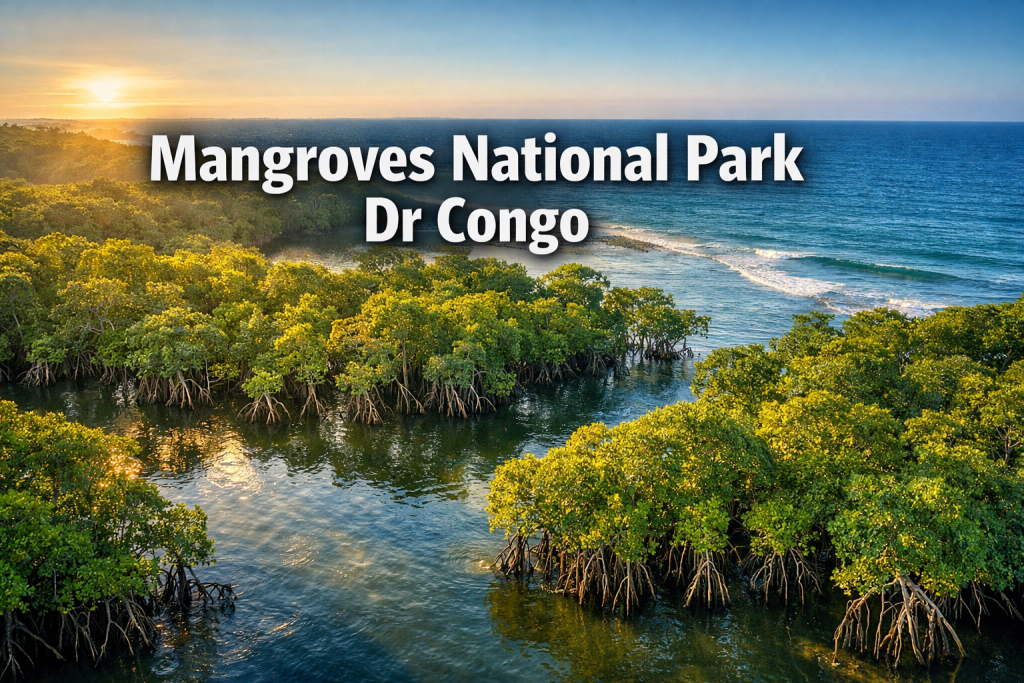
Mangroves National Park Dr Congo, officially known as Mangrove Marine Park, is a coastal conservation area located in the western Democratic Republic of Congo along the Atlantic Ocean. The park protects critical mangrove forest ecosystems that serve as carbon sinks and marine wildlife nurseries. Managed by the Institut Congolais pour la Conservation de la Nature (ICCN), the park faces active conservation challenges including illegal logging and pollution while supporting community-based restoration programs that employ local fishermen and farmers in reforestation work during low fishing seasons.
Mangroves National Park Dr Congo is a coastal marine protected area in western DRC that offers limited but specialized ecotourism opportunities focused on mangrove ecosystem observation and conservation education. The park operates under ICCN management with ongoing reforestation projects planting over 40,000 trees and supporting approximately 2,300 marine wildlife births annually, primarily sea turtles.Visitors should be aware that the park currently faces security concerns related to illegal logging operations and organized environmental crime. Access requires coordination with ICCN authorities, and tourism infrastructure remains minimal compared to other DRC national parks.
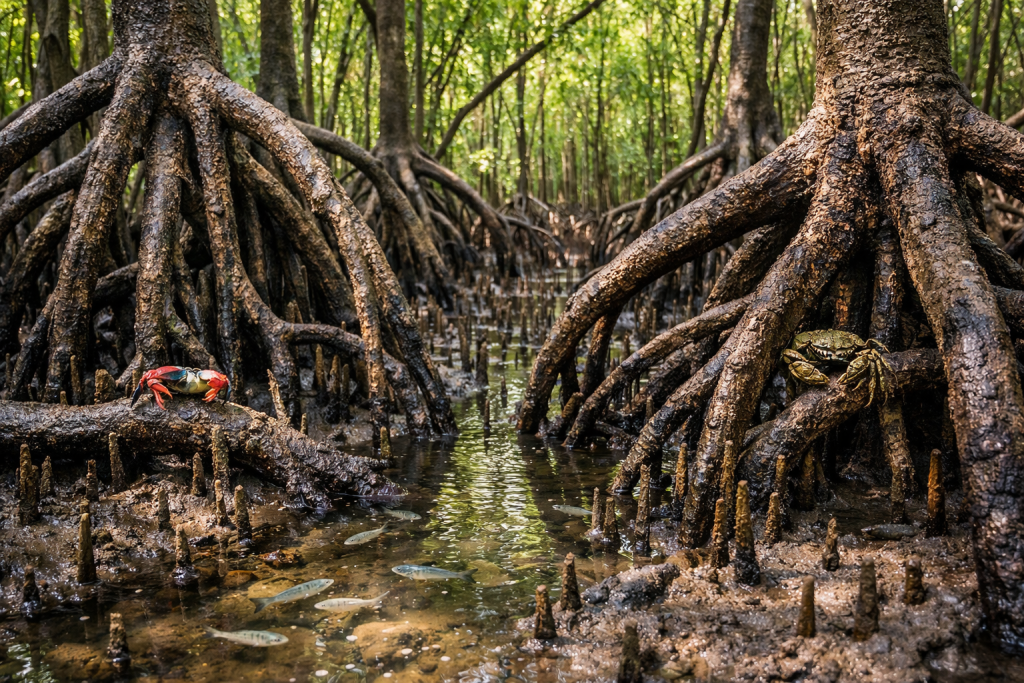
Mangroves National Park Dr Congo is a marine conservation area protecting mangrove forests along the Atlantic coast in western Democratic Republic of Congo. The park functions primarily as an ecological reserve with limited tourism facilities, managed by ICCN with active community participation in restoration programs. Visitors interested in mangrove ecosystems, marine conservation, and coastal ecology can arrange guided visits through registered operators working with park authorities, though infrastructure and security conditions require careful planning.
Location and Access to Mangroves National Park Dr Congo
Mangroves National Park Dr Congo is situated in the Kongo Central Province along the Atlantic coastline of the Democratic Republic of Congo. The park protects coastal mangrove forests where freshwater from the Congo River system meets the Atlantic Ocean, creating brackish water conditions that support specialized mangrove species.
Access to the park requires travel to the coastal region west of Kinshasa. Road conditions vary seasonally, with the dry season from June through September offering more reliable vehicle access. Visitors traveling from Kinshasa should expect journey times of several hours depending on specific park entry points and current road conditions.
Coordination with ICCN authorities is required before visiting. The park does not operate open public access like some other DRC protected areas. Registered tour operators familiar with coastal conservation areas can arrange permitted visits with appropriate advance notice.
Mangrove Ecosystems and Marine Wildlife at the Park
The park protects mangrove forest habitats characterized by salt-tolerant tree species with distinctive aerial prop roots and pneumatophores. These root structures create complex three-dimensional habitats that function as nurseries for marine fish species, crustaceans, and mollusks.
Marine wildlife documented in the park includes sea turtles, with conservation programs recording approximately 2,300 births annually as part of monitored nesting activity.The mangrove forests provide critical nesting and feeding habitat for these marine reptiles during specific seasonal periods.
Bird species associated with coastal mangrove habitats use the park for feeding and roosting. Wading birds, seabirds, and migratory species can be observed depending on season and tidal conditions. Wildlife viewing requires patience and appropriate timing with tidal cycles, as many species are most active during low tide periods when mudflats and root systems become exposed.
Fish populations supported by the mangrove ecosystem include commercially important species that local fishing communities depend on for livelihoods. The park’s conservation function directly supports sustainable fishing in adjacent coastal waters through habitat protection.
Conservation Challenges Facing Mangroves National Park Dr Congo
The park faces documented threats from illegal logging operations targeting mangrove timber. In November 2025, former park director Kim Rebholz exposed large-scale illegal logging, smuggling, and pollution activities occurring within park boundaries. These revelations highlighted organized environmental crime affecting the protected area.
Violence and security threats linked to illegal resource extraction create risks for both park staff and potential visitors. Conservation management operates under challenging conditions where enforcement capacity remains limited relative to the scale of illegal activities documented.
Private commercial interests pose additional threats to park integrity. Pressure from development projects and resource extraction operations complicates conservation efforts and requires ongoing monitoring by ICCN and partner organizations.
Pollution from coastal development and maritime activities affects water quality and mangrove health. The park’s location in a region with limited environmental regulation enforcement means that pollution control depends heavily on active conservation program interventions.
Community-Based Reforestation Programs and Conservation Work
The park operates community-based restoration programs that employ local fishermen and farmers in mangrove reforestation during low fishing seasons. This model provides income to community members while advancing conservation objectives through practical restoration work.
Reforestation targets include planting more than 40,000 trees by project completion. ICCN staff monitor plant growth and survival rates during periods when community workers are engaged in fishing or farming activities. This seasonal rotation allows conservation work to complement rather than compete with traditional livelihoods.
Paid restoration work provides economic incentives for local communities to support park conservation objectives. Workers receive training in proper mangrove planting techniques, including appropriate species selection, tidal zone placement, and seedling care protocols.
The restoration model reflects the complex relationship between human communities and environmental conservation in the DRC, where conservation success depends on providing tangible benefits to local populations who live adjacent to protected areas.
Planning a Visit to Mangroves National Park Dr Congo
Visitors planning trips to Mangroves National Park Dr Congo should begin by contacting ICCN headquarters or registered tour operators with experience in DRC coastal conservation areas. Independent travel to the park is not recommended due to access restrictions and security considerations.
Permitted visits typically involve guided tours focused on mangrove ecosystem observation, conservation education, and community restoration project observation. Tour durations range from half-day excursions to full-day programs depending on specific itinerary arrangements and tidal schedules.
Physical requirements for park visits are generally moderate. Walking occurs on uneven tidal substrates, mudflats, and boardwalks where available. Visitors should have basic mobility and comfort with outdoor conditions including heat, humidity, and insect presence.
Best timing for visits aligns with dry season months from June through September when access roads are most reliable and weather conditions are more predictable. Tidal schedules affect optimal viewing times for exposed root systems and mudflat wildlife, requiring coordination with local guides familiar with tidal patterns.
Accommodation and Logistics for Mangroves National Park Dr Congo Tours
Accommodation options within the park are extremely limited. Visitors typically base themselves in nearby coastal towns or return to Kinshasa, depending on tour itinerary structure and available lodging facilities in the region.
Tour operators arrange transport, permits, guide services, and meals as part of organized packages. Independent arrangements for these logistics are complicated by limited infrastructure and the requirement for ICCN coordination.
Costs for guided tours vary based on group size, duration, transport requirements, and included services. Visitors should request detailed quotes from multiple registered operators and confirm what permits, fees, and services are included in quoted prices.
Safety protocols require following guide instructions, staying within permitted areas, and avoiding contact with illegal logging operations or unauthorized activities. Visitors should maintain awareness of surroundings and report any concerning situations to guides and authorities.
Conservation Context Within the Congo Basin Framework
Mangroves National Park Dr Congo operates within the larger Congo Basin conservation framework. In November 2025 at COP30, a $2.5 billion pledge was announced to halt and reverse deforestation in the Congo Basin by 2030, though implementation challenges remain significant.
The park’s mangrove ecosystems function as critical carbon sinks, storing carbon in both biomass and sediment. This climate regulation service positions the park as part of regional and global climate mitigation strategies, though actual carbon storage capacity depends on successful protection from logging and degradation.
Coordination between ICCN and international conservation partners provides technical support, funding, and monitoring capacity for park management. These partnerships are necessary given the resource constraints facing DRC conservation authorities and the scale of threats documented in recent years.
The park’s future depends on addressing illegal activities, securing sustainable funding for management operations, and maintaining community support through programs that provide economic benefits to local populations. Visitors interested in supporting conservation can inquire about contributions to restoration programs or community development initiatives linked to park protection.
Comparing Mangroves National Park Dr Congo to Other DRC Protected Areas
Mangroves National Park Dr Congo differs significantly from better-known DRC parks like Virunga National Park or Upemba National Park. While those areas focus on mountain gorillas, savannah wildlife, and terrestrial ecosystems, the Mangrove Marine Park protects coastal marine habitats with specialized flora and fauna.
Tourism infrastructure at Mangroves National Park Dr Congo is minimal compared to parks with established safari operations, lodges, and regular visitor programs. Visitors seeking developed tourism facilities and diverse wildlife viewing should consider other DRC parks as primary destinations.
The park suits visitors with specific interests in coastal ecology, mangrove ecosystems, marine conservation, and community-based restoration models. It functions more as a specialized conservation education destination than a traditional wildlife safari park.
Security conditions at Mangroves National Park Dr Congo require more careful assessment than some other DRC protected areas. The documented presence of organized illegal activities creates risks that are not present in the same form at parks with stronger enforcement capacity and less resource extraction pressure.
Practical Visitor Information for Mangroves National Park Dr Congo Travel
Permits for visiting Mangroves National Park Dr Congo are arranged through ICCN, typically facilitated by registered tour operators. Independent permit applications require direct contact with ICCN offices and advance processing time.
Health precautions for coastal DRC travel include malaria prophylaxis, yellow fever vaccination (required for DRC entry), and standard tropical disease prevention measures. Visitors should consult travel medicine specialists for current recommendations specific to the coastal region.
Packing requirements include lightweight, moisture-wicking clothing suitable for hot, humid conditions, sturdy waterproof footwear for mudflat walking, sun protection, insect repellent, and binoculars for wildlife observation. Camera equipment should have weather protection given humidity and potential water exposure.
Travel insurance covering medical evacuation is recommended for all DRC travel. Visitors should verify that policies cover the specific region and activities planned, as some insurers exclude certain areas or adventure activities.
Communication infrastructure in the park area is limited. Visitors should not expect reliable mobile phone coverage or internet access during park visits. Emergency communication plans should be established with tour operators before departure.
Frequently Asked Questions About Mangroves National Park Dr Congo
Where exactly is Mangroves National Park Dr Congo located? The park is located in Kongo Central Province along the Atlantic coast of the Democratic Republic of Congo, west of Kinshasa where mangrove forests meet the ocean.
Can visitors tour Mangroves National Park Dr Congo independently? Independent visits are not recommended. Access requires ICCN permits and coordination, typically arranged through registered tour operators familiar with park protocols and security conditions.
What wildlife can be seen at Mangroves National Park Dr Congo? Marine wildlife includes sea turtles (approximately 2,300 births recorded annually), fish species, crustaceans, mollusks, and coastal bird species. Wildlife viewing depends on tidal cycles and seasonal patterns.
Is Mangroves National Park Dr Congo safe for tourists in 2026? The park faces documented security challenges related to illegal logging and organized environmental crime. Visitors should work with experienced operators and follow current security guidance from ICCN and tour companies.
When is the best time to visit Mangroves National Park Dr Congo? The dry season from June through September offers the most reliable access conditions and weather. Tidal schedules affect optimal viewing times for specific activities and wildlife observation.
How much does it cost to visit Mangroves National Park Dr Congo? Costs vary by tour operator, group size, and itinerary. Visitors should request detailed quotes including permits, transport, guide fees, and meals. Budget more than for standard day tours due to specialized access requirements.
What accommodation is available at Mangroves National Park Dr Congo? In-park accommodation is extremely limited. Most visitors base in nearby coastal towns or Kinshasa, with lodging arranged as part of organized tour packages.
How does Mangroves National Park Dr Congo support local communities? The park employs local fishermen and farmers in paid reforestation work during low fishing seasons, providing income while restoring mangrove ecosystems through community-based conservation programs.
What conservation projects operate at Mangroves National Park Dr Congo? Active projects include mangrove reforestation (targeting over 40,000 trees planted), sea turtle monitoring, and community-based restoration programs managed by ICCN with partner organizations.
Can photography be done at Mangroves National Park Dr Congo? Photography is generally permitted during authorized visits. Visitors should confirm specific photography rules with guides and avoid photographing sensitive areas, illegal activities, or security-related subjects.
Key Takeaways for Mangroves National Park Dr Congo Visitors
Mangroves National Park Dr Congo protects specialized coastal mangrove ecosystems along the Atlantic Ocean in western DRC, managed by ICCN with active community participation in restoration programs. The park operates primarily as a conservation area with limited tourism infrastructure compared to other DRC national parks.
Visitors should arrange access through registered tour operators working with ICCN authorities, as independent travel is not practical given permit requirements and security considerations. The park faces documented challenges from illegal logging, pollution, and organized environmental crime that affect both conservation outcomes and visitor safety.
Conservation programs include mangrove reforestation targeting over 40,000 trees planted and marine wildlife monitoring recording approximately 2,300 sea turtle births annually. Community-based restoration employs local fishermen and farmers in paid conservation work during low fishing seasons.
Best visit timing aligns with the dry season from June through September for reliable access and weather conditions. Tidal schedules affect wildlife viewing opportunities and require coordination with local guides familiar with coastal patterns.
The park suits visitors with specific interests in mangrove ecology, marine conservation, and community-based restoration models rather than those seeking traditional safari experiences or developed tourism facilities. Physical requirements are moderate, involving walking on uneven tidal substrates and mudflats.
Health precautions include malaria prophylaxis, yellow fever vaccination, and standard tropical disease prevention. Travel insurance with medical evacuation coverage is recommended for all DRC travel to the coastal region.
Conservation success at Mangroves National Park Dr Congo depends on addressing illegal activities, securing sustainable funding, and maintaining community support through programs providing economic benefits to local populations. Visitors interested in supporting these efforts can inquire about contributions to restoration programs through tour operators or conservation partners.
The park functions within the larger Congo Basin conservation framework, including recent international commitments to halt deforestation by 2030, though implementation faces significant challenges.Mangrove ecosystems provide critical carbon storage and marine habitat services that position the park as part of regional climate and biodiversity conservation strategies.
Conclusion
Mangroves National Park Dr Congo represents a specialized conservation area protecting coastal mangrove ecosystems in western Democratic Republic of Congo. The park offers limited but meaningful ecotourism opportunities for visitors interested in marine conservation, mangrove ecology, and community-based restoration models.
Current conditions require careful planning, coordination with ICCN authorities through registered operators, and realistic expectations about infrastructure and security. The park’s conservation challenges, including illegal logging and pollution, create both risks and opportunities for visitors to understand real-world conservation complexities in the Congo Basin.
Travelers considering Mangroves National Park Dr Congo should assess whether the specialized focus on mangrove ecosystems aligns with their interests and comfort with limited facilities. The park functions best as part of broader DRC itineraries for visitors with specific conservation education interests rather than as a standalone safari destination.
For those who visit, the park provides direct observation of mangrove restoration work, marine wildlife monitoring, and community conservation programs that demonstrate practical approaches to protecting critical coastal habitats. These programs continue despite significant challenges, supported by ICCN management and local community participation in restoration activities