Kundelungu National Park DR Congo Safaris and Conservation Travel
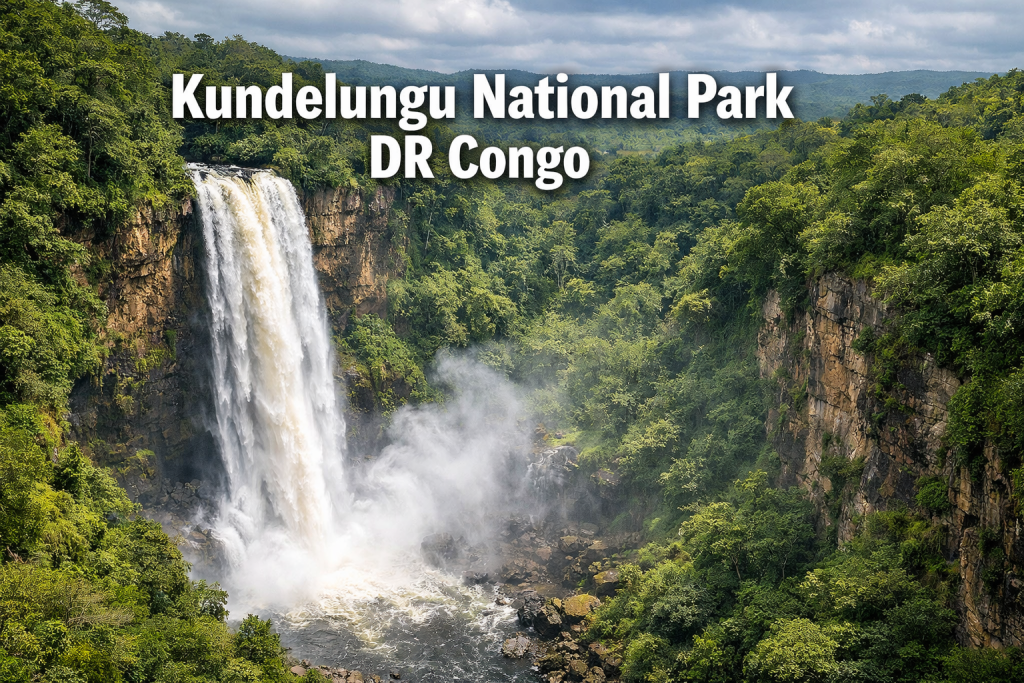
Kundelungu National Park DR Congo is an 8,165 square kilometer protected area in southeastern Democratic Republic of Congo, managed under a long-term partnership between the Congolese Institute for the Conservation of Nature (ICCN) and African Parks since 2025.The park protects biodiversity, watershed systems for the Lufira River basin, and natural landmarks including Lofoi Falls, with access from Lubumbashi making it part of regional conservation planning in Haut-Katanga Province.
Kundelungu National Park covers 8,165 km² in southeastern DR Congo under ICCN and African Parks co-management from 2025. The park protects Lofoi Falls, watershed systems, and biodiversity with access from Lubumbashi. Visitors planning trips should understand the park is in active restoration phase with limited tourism infrastructure as of 2026. Conservation-led tourism development is planned but not yet operational for standard safari bookings.
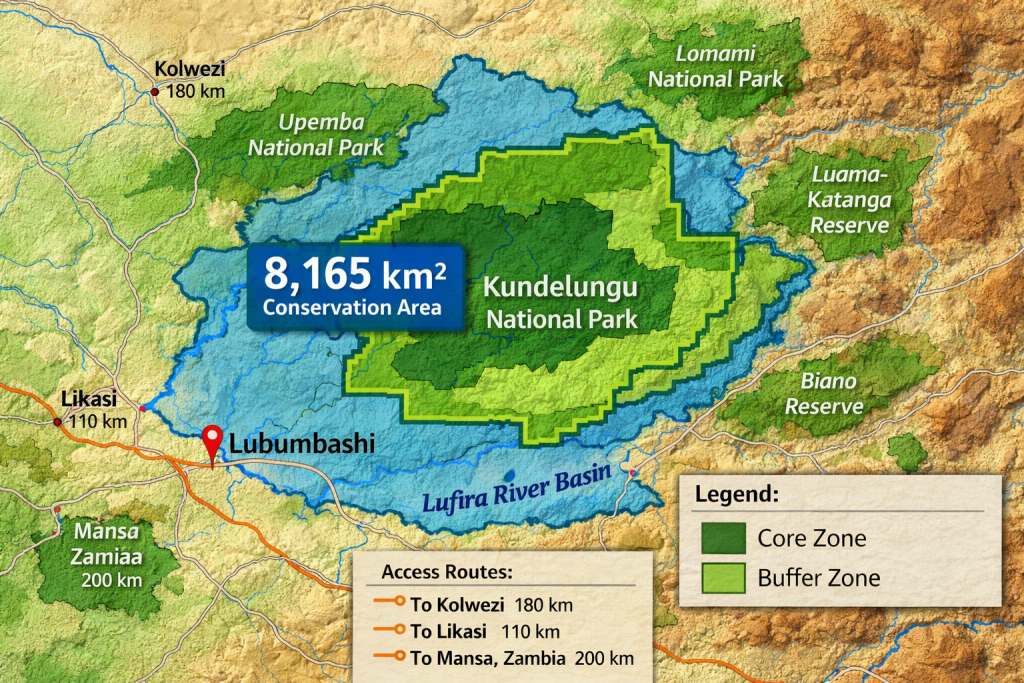
Kundelungu National Park DR Congo entered co-management in 2025 between ICCN and African Parks, marking the start of ecosystem restoration and community development programs.The 8,165 km² park in Haut-Katanga Province protects the Lufira River watershed and Lofoi Falls. Tourism infrastructure is under development as part of the management plan, with current access limited to conservation and research activities. Visitors interested in future safari opportunities should monitor official announcements from African Parks and ICCN regarding public access dates and permit systems.
Location and Access to Kundelungu National Park DR Congo
Kundelungu National Park is located in southeastern Democratic Republic of Congo within Haut-Katanga Province. The park lies approximately 200 kilometers northwest of Lubumbashi, the provincial capital and main access point for international visitors traveling to the region.
Road access from Lubumbashi to the park requires 4×4 vehicles and local guides familiar with seasonal conditions. The route passes through rural communities where fuel, supplies, and vehicle support are limited. Travel time varies from 6 to 10 hours depending on road conditions and weather.
The park’s position in southeastern DRC places it within a broader conservation landscape that includes other protected areas. This geographic context matters for regional ecological connectivity and future wildlife corridor planning.
Charter flights to airstrips near the park are not currently available for tourist operations. Visitors planning trips must coordinate ground transport from Lubumbashi with operators licensed to work in the area.
Size and Terrain of Kundelungu National Park
Kundelungu National Park covers 8,165 square kilometers of varied terrain including savannah woodland, grassland plateaus, river valleys, and forested areas.The park’s elevation ranges from lowland river systems to higher plateau regions, creating different habitat zones.
The Lufira River basin runs through the park, providing water sources that support wildlife and vegetation. Seasonal flooding affects access to certain areas during the rainy months from November through April.
Rocky outcrops and escarpments define parts of the landscape, with Lofoi Falls serving as a major natural feature. The falls drop approximately 340 meters, making them one of the tallest waterfalls in central Africa.
Vegetation types shift across the park based on elevation, soil type, and water availability. Miombo woodland dominates in certain zones, while grassland plains support grazing species in others.
Wildlife and Biodiversity in Kundelungu National Park DR Congo
Kundelungu National Park protects biodiversity that includes mammal species, bird populations, and aquatic life within the Lufira River system.The park’s wildlife status is under assessment as part of the 2025 management partnership, with baseline surveys planned to establish current population data.
Historical records indicate the park supported populations of antelope species, primates, and predators. Current wildlife densities are not publicly documented as of 2026, with ecological assessments ongoing.
Bird species diversity reflects the park’s varied habitats, from riverine forest to open grassland. Specific species lists and seasonal migration patterns require field documentation through the new management plan.
Aquatic ecosystems in the Lufira River and its tributaries support fish populations and riparian wildlife. Water quality and flow patterns are monitored as part of watershed protection objectives.
Visitors should not expect guaranteed wildlife sightings during the park’s restoration phase. Game viewing opportunities will depend on population recovery and habitat management outcomes over the coming years.
ICCN and African Parks Partnership for Kundelungu
The Congolese Institute for the Conservation of Nature (ICCN) and African Parks signed a long-term co-management agreement for Kundelungu National Park in 2025. This partnership assigns operational management to African Parks while ICCN retains government oversight and regulatory authority.
The agreement includes team recruitment, ranger training, infrastructure development, and environmental assessments to support the management plan. African Parks brings experience from other DRC parks including Garamba National Park, where a partnership with ICCN has operated since 2005.
Management priorities focus on ecosystem restoration, community development, and income generation opportunities for local populations.The plan addresses historical conservation challenges through structured law enforcement, habitat monitoring, and stakeholder engagement.
Funding for park operations comes from African Parks’ donor network and conservation finance mechanisms. Budget allocations cover ranger salaries, equipment, community programs, and infrastructure construction.
The partnership model allows for adaptive management based on field data and changing conditions. Annual reviews between ICCN and African Parks assess progress against conservation targets and community development goals.
Conservation Goals and Management Plan
Kundelungu National Park’s management plan targets ecosystem restoration through wildlife protection, habitat management, and watershed conservation. The Lufira River basin protection is a core objective, given the system’s importance for regional water security.
Community development programs aim to create alternative income sources that reduce pressure on park resources. These initiatives include training, employment in park operations, and support for sustainable land use practices outside park boundaries.
Law enforcement systems are being established to address poaching, illegal resource extraction, and boundary encroachment. Ranger teams receive training in patrol techniques, wildlife monitoring, and community engagement protocols.
Ecological monitoring tracks wildlife populations, vegetation health, and water quality. Data collection informs management decisions and measures progress toward restoration targets.
The plan includes provisions for conservation-led tourism development once baseline conditions are established. Tourism infrastructure and visitor services will be introduced in phases aligned with conservation readiness.
Tourism Development and Visitor Access
Tourism infrastructure at Kundelungu National Park DR Congo is under development as of 2026, with no public safari operations currently available. The management plan includes tourism as a future component once conservation conditions support visitor activities.
Planned tourism offerings may include guided game drives, walking safaris, birdwatching excursions, and visits to Lofoi Falls. Timing for public access depends on infrastructure completion, ranger training, and wildlife population assessments.
Accommodation options within or near the park are not operational for tourists in 2026. Future lodging may include tented camps, lodges, or community-run guesthouses aligned with conservation standards.
Permit systems, entry fees, and booking procedures will be announced by ICCN and African Parks when visitor access opens. Travelers should contact licensed tour operators in DRC for updates on availability and booking timelines.
Photography and filming permits will require advance approval from park management. Commercial filming and documentary production must coordinate with ICCN and African Parks for access authorization.
Best Time to Visit Kundelungu National Park
The dry season from May through October offers better road conditions and wildlife viewing potential once tourism operations begin at Kundelungu National Park DR Congo. Rainfall decreases during these months, reducing mud and flooding on access routes.
The rainy season from November through April brings higher precipitation, making some areas of the park inaccessible. River levels rise, and dirt roads become impassable without specialized vehicles and local knowledge.
Temperature ranges remain relatively stable year-round in southeastern DRC, with cooler conditions at higher elevations within the park. Daytime temperatures typically range from 20 to 30 degrees Celsius.
Wildlife behavior and visibility change with seasonal water availability. During dry months, animals concentrate near permanent water sources, potentially improving sighting opportunities.
Visitors planning trips should confirm seasonal access conditions with tour operators and park management. Road closures and permit restrictions may apply during certain months based on conservation priorities.
Travel Planning and Logistics
Travel to Kundelungu National Park DR Congo requires coordination with licensed tour operators experienced in southeastern DRC logistics. Independent travel is not recommended due to limited infrastructure, language barriers, and security considerations.
Visa requirements for DRC apply to international visitors, with applications processed through DRC embassies or consulates. Processing times vary, and travelers should apply well in advance of planned departure dates.
Vaccinations for yellow fever are mandatory for entry to DRC, with proof required at immigration. Additional vaccinations for hepatitis A, typhoid, and malaria prophylaxis are recommended based on medical advice.
Travel insurance covering medical evacuation is necessary given limited healthcare facilities in remote areas. Policies should include coverage for trip cancellation, lost luggage, and emergency repatriation.
Currency exchange to Congolese francs is available in Lubumbashi, with US dollars widely accepted for larger transactions. Credit cards have limited acceptance outside major cities, and travelers should carry sufficient cash.
Health and Safety Considerations
Malaria is present in southeastern DRC including areas around Kundelungu National Park. Visitors should take prescribed prophylaxis, use insect repellent, and sleep under mosquito nets.
Water quality in rural areas requires treatment or bottled water consumption. Park visitors should bring sufficient drinking water or purification systems for the duration of their stay.
Medical facilities near Kundelungu are basic, with serious cases requiring evacuation to Lubumbashi or international facilities. Travel insurance with evacuation coverage is necessary for all visitors.
Security conditions in DRC vary by region and can change rapidly. Travelers should consult current travel advisories from their governments and coordinate with experienced local operators.
Park regulations regarding wildlife distance, camping restrictions, and guide requirements will be established as tourism operations develop. Visitors must follow all rules to minimize risk and protect conservation objectives.
Accommodation Options Near Kundelungu
Accommodation options near Kundelungu National Park DR Congo are limited as of 2026, with most visitors staying in Lubumbashi before and after park visits. Hotels in Lubumbashi range from budget guesthouses to midrange business hotels.
Future accommodation within the park may include tented camps operated by African Parks or partner organizations. These facilities would follow conservation standards for waste management, energy use, and environmental impact.
Community-run guesthouses near park boundaries could provide income opportunities for local populations while offering basic lodging for visitors. Development of these facilities depends on training programs and infrastructure support.
Camping within the park may be permitted in designated areas once visitor services are operational. Campers would need to bring all equipment and supplies, with no facilities provided at campsites.
Booking procedures for park accommodation will be announced through official channels when tourism operations begin. Advance reservations will likely be required given limited capacity during initial phases.
Tour Operators and Safari Companies
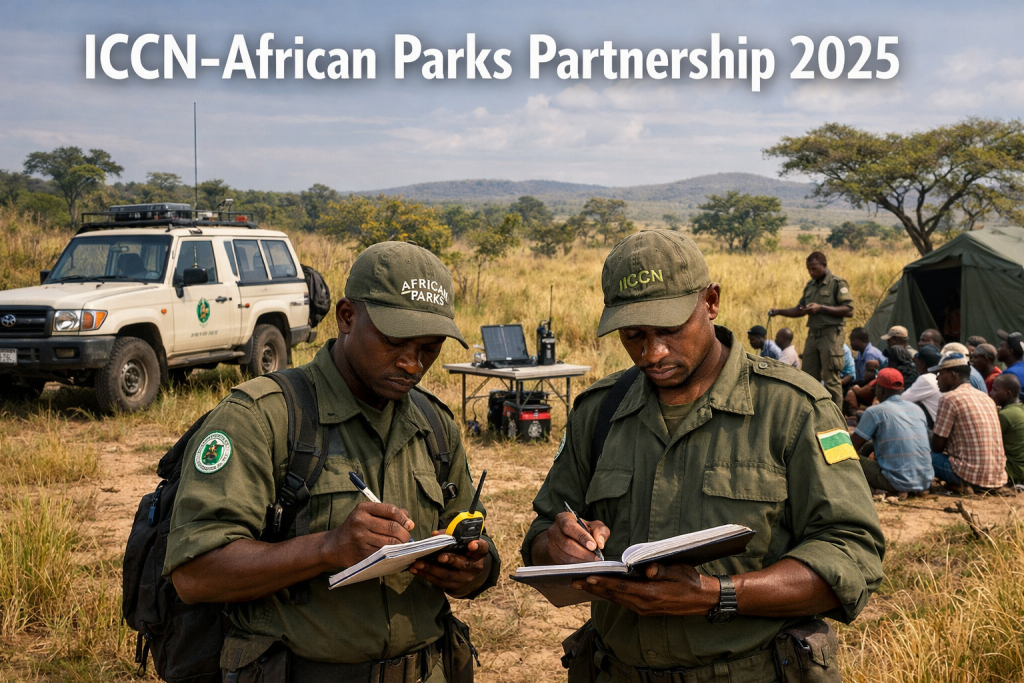
Licensed tour operators in DRC with experience in southeastern region logistics can arrange future visits to Kundelungu National Park. Operators should have established relationships with ICCN and African Parks for permit coordination.
Safari packages may include Kundelungu as part of multi-park itineraries combining other DRC protected areas. These trips would require significant planning time and flexible schedules to accommodate access conditions.
Private guided safaris offer more control over timing and activities compared to group tours. Private arrangements require higher budgets but allow customization based on visitor interests.
Photography-focused safaris may be available once wildlife populations support specialized viewing opportunities. These trips would include extended time in productive areas and guidance on optimal lighting conditions.
Community cultural visits could complement wildlife activities, providing insight into local traditions and conservation partnerships. These programs would be developed in coordination with community leaders and park management.
Cost and Budget Planning
Cost estimates for visiting Kundelungu National Park DR Congo are not available as of 2026 due to pending tourism infrastructure development. Future pricing will include park entry fees, guide fees, accommodation, transport, and permit costs.
International flights to Lubumbashi connect through regional hubs including Addis Ababa, Nairobi, or Johannesburg. Flight costs vary seasonally, with advance booking offering better rates.
Ground transport from Lubumbashi to Kundelungu requires 4×4 vehicle rental or tour operator services. Fuel, driver fees, and vehicle insurance add to transport costs.
Guided safari activities will be priced based on group size, duration, and activity type. Private guides command higher fees than shared group arrangements.
Visitors should budget for tips to guides, rangers, and support staff. Tipping practices in DRC follow general safari conventions, with amounts based on service quality and trip length.
Packing and Equipment
Visitors to Kundelungu National Park DR Congo should pack for variable weather conditions including rain gear and warm layers for cooler elevations. Lightweight, quick-dry clothing in neutral colors suits safari activities.
Binoculars are necessary for wildlife viewing and birdwatching. Magnification of 8×42 or 10×42 provides good balance between field of view and detail.
Camera equipment should include telephoto lenses for wildlife photography, with focal lengths of 300mm or longer preferred. Extra batteries and memory cards are necessary given limited charging opportunities.
Insect repellent containing DEET, sunscreen, and a basic first aid kit are required items. Prescription medications should be brought in sufficient quantity with copies of prescriptions.
Sturdy walking boots with ankle support and good tread are necessary for hiking and walking safaris. Break in boots before travel to avoid blisters during activities.
Regional Conservation Context
Kundelungu National Park DR Congo fits within broader conservation planning for southeastern DRC and the greater Congo Basin region. The park’s position near other protected areas creates potential for wildlife corridors and ecosystem connectivity.
African Parks’ management of both Kundelungu and Garamba National Park demonstrates organizational commitment to DRC conservation. These partnerships support government conservation capacity while addressing funding and technical resource gaps.
Community engagement in conservation planning reflects recognition that local support determines long-term success. Income generation, employment, and resource access agreements form part of the management approach.
Watershed protection for the Lufira River basin extends conservation benefits beyond park boundaries.Water quality and flow regulation affect downstream communities and economic activities.
Regional deforestation and land use pressures make protected area management more difficult. Kundelungu’s restoration depends on addressing these external factors through coordinated planning with local authorities.
Comparing Kundelungu to Other DRC Parks
Kundelungu National Park DR Congo differs from Virunga National Park and Garamba National Park in terms of wildlife populations, visitor infrastructure, and conservation status. Virunga offers mountain gorilla trekking and active tourism operations, while Kundelungu is in early restoration phase.
Garamba National Park, also managed by African Parks since 2005, provides a model for Kundelungu’s development trajectory. Garamba’s experience with elephant conservation and community programs informs approaches at Kundelungu.
Kahuzi-Biega National Park focuses on eastern lowland gorilla protection, attracting visitors for primate trekking. Kundelungu’s biodiversity differs, with emphasis on savannah woodland species and watershed conservation.
Salonga National Park in central DRC protects rainforest ecosystems with limited visitor access. Kundelungu’s more accessible location near Lubumbashi offers different tourism potential once infrastructure is developed.
Visitors interested in DRC safari travel should understand that each park offers distinct experiences based on wildlife, habitat type, and management status. Kundelungu will develop its own niche as restoration progresses.
Community Development and Local Impact
Community development programs at Kundelungu National Park DR Congo aim to create economic opportunities that align with conservation objectives. Employment in park operations provides direct income for local residents through ranger positions, maintenance work, and visitor services.
Training programs build local capacity in wildlife monitoring, tourism services, and sustainable resource management. These skills support both park operations and community development outside park boundaries.
Resource access agreements address traditional use patterns while protecting core conservation areas. Negotiations between park management and communities establish zones for different activities and use rights.
Revenue sharing from future tourism operations could fund community projects including schools, health clinics, and water systems. These benefits depend on tourism development and visitor numbers.
Conflict resolution mechanisms address human-wildlife conflict, boundary disputes, and resource competition. Park management works with community leaders to find solutions that balance conservation and local needs.
Photography and Wildlife Filming
Photography opportunities at Kundelungu National Park DR Congo will develop as wildlife populations recover and visitor access opens. Lofoi Falls provides a major landscape photography subject regardless of wildlife viewing conditions.
Wildlife photography requires patience and realistic expectations during the park’s restoration phase. Animal densities may be lower than in established safari destinations, affecting sighting frequency.
Birdwatching photography benefits from the park’s habitat diversity, with different species occupying riverine, woodland, and grassland zones. Early morning and late afternoon offer best lighting for bird photography.
Filming permits for commercial or documentary projects require advance approval from ICCN and African Parks. Permit applications should include project details, filming locations, and crew size.
Drone photography and aerial filming have restrictions in DRC national parks. Operators must obtain specific authorization and follow flight regulations to avoid disturbing wildlife or violating airspace rules.
Frequently Asked Questions
Is Kundelungu National Park open to tourists in 2026?
Kundelungu National Park is not open for standard tourist visits as of 2026. The park entered co-management in 2025 and is in the restoration phase with tourism infrastructure under development.
How do I get to Kundelungu National Park from Lubumbashi?
Access from Lubumbashi requires 4×4 vehicles and local guides, with travel time of 6 to 10 hours depending on road conditions. Charter flights are not available for tourist operations as of 2026.
What wildlife can be seen at Kundelungu National Park?
Wildlife populations are under assessment as part of the new management plan. Historical records indicate antelope species, primates, and predators, but current densities are not documented publicly.
When is the best time to visit Kundelungu National Park?
The dry season from May through October offers better road conditions and potential wildlife viewing once tourism operations begin. The rainy season from November to April brings difficult access conditions.
Do I need special permits to visit Kundelungu National Park?
Permit systems will be announced by ICCN and African Parks when visitor access opens. Current access is limited to conservation and research activities with prior authorization.
What accommodation is available at Kundelungu National Park?
No tourist accommodation is operational within or near the park as of 2026. Future options may include tented camps, lodges, or community guesthouses aligned with conservation standards.
How much does it cost to visit Kundelungu National Park?
Pricing for park entry, guides, and activities is not established as of 2026. Costs will be announced when tourism operations begin.
Is it safe to travel to Kundelungu National Park?
Safety conditions depend on current security situations in southeastern DRC. Travelers should consult government travel advisories and work with experienced local operators.
Can I see Lofoi Falls at Kundelungu National Park?
Lofoi Falls is a major natural feature within the park, dropping approximately 340 meters. Access to the falls will be part of future tourism offerings once visitor services are operational.
What vaccinations do I need for Kundelungu National Park?
Yellow fever vaccination is mandatory for DRC entry. Hepatitis A, typhoid, and malaria prophylaxis are recommended based on medical advice.
How long should I plan to stay at Kundelungu National Park?
Visit duration will depend on activities offered once tourism operations begin. Multi-day stays would allow time for game drives, walking safaris, and visits to Lofoi Falls.
Are there cultural visits available near Kundelungu National Park?
Community cultural programs may be developed as part of the tourism plan. These would be coordinated with local leaders and park management to benefit communities while respecting traditions.
Key Takeaways
Kundelungu National Park DR Congo covers 8,165 square kilometers in southeastern DRC under ICCN and African Parks co-management from 2025.
The park protects the Lufira River watershed, biodiversity, and Lofoi Falls as part of ecosystem restoration and community development objectives.
Tourism infrastructure is under development as of 2026, with no public safari operations currently available. Future access depends on conservation readiness and infrastructure completion.
Access from Lubumbashi requires 4×4 vehicles and experienced guides, with travel time of 6 to 10 hours based on seasonal road conditions.
The dry season from May through October offers better access conditions and wildlife viewing potential once tourism operations begin.
Visitors planning future trips should monitor official announcements from African Parks and ICCN regarding permit systems, booking procedures, and access dates.
Conservation-led tourism development aims to create income opportunities for local communities while supporting park restoration goals.
Wildlife populations are under assessment, with baseline surveys planned to establish current status and recovery targets.
The partnership between ICCN and African Parks follows a model used at Garamba National Park since 2005, applying proven management approaches to Kundelungu.
Regional conservation planning positions Kundelungu within broader ecosystem connectivity efforts for southeastern DRC protected areas.
Planning Your Kundelungu National Park Safari
Travelers interested in visiting Kundelungu National Park DR Congo should understand the park is in active restoration phase as of 2026. Tourism infrastructure, visitor services, and public access are under development following the 2025 co-management agreement between ICCN and African Parks.
Future safari opportunities will include guided game drives, walking safaris, birdwatching, and visits to Lofoi Falls once conservation conditions support visitor activities. The timeline for public access depends on infrastructure completion, ranger training, wildlife assessments, and community program implementation.
Visitors should contact licensed tour operators in DRC for updates on booking availability and access dates. Operators with established relationships with ICCN and African Parks can provide current information on permit systems and visitor regulations.
The park’s location near Lubumbashi and position within southeastern DRC’s conservation landscape offer potential for multi-park itineraries combining different protected areas. These trips require significant advance planning and coordination with experienced operators familiar with regional logistics.
Conservation-led tourism at Kundelungu aims to support ecosystem restoration while creating economic opportunities for local communities. Visitor participation in future safari programs contributes to these conservation and development objectives through park fees, employment, and community revenue sharing.