Garamba National Park Dr Congo Wildlife Safaris and Conservation Tours
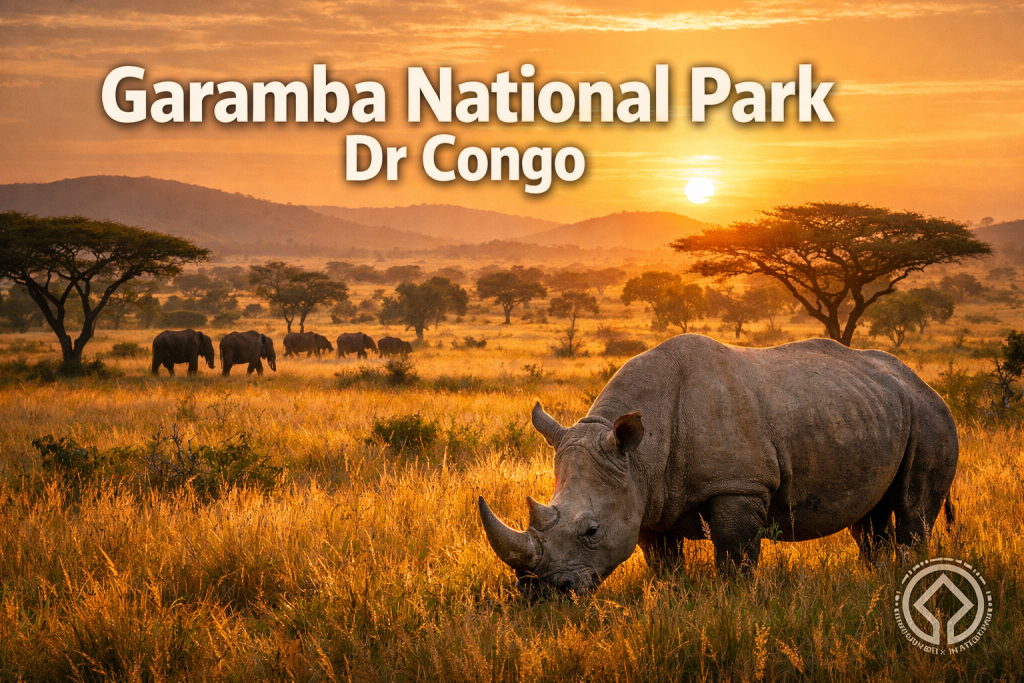
Garamba National Park Dr Congo is a UNESCO World Heritage Site located in the northeastern Haut-Uele province of the Democratic Republic of Congo, covering approximately 4,900 square kilometers of savannah and grassland habitat. The park operates as a managed conservation area focused on elephant protection, species reintroduction programs including southern white rhinos, and structured wildlife safaris. Garamba sits near the borders with South Sudan and offers game drives, guided walking safaris, and wildlife viewing activities managed through African Parks in partnership with the Institut Congolais pour la Conservation de la Nature (ICCN). Visitors access the park primarily through charter flights to Nagero airstrip, with road access limited by seasonal conditions and security considerations.
Garamba National Park Dr Congo serves as a major conservation site in northeastern DRC with active rhino reintroduction programs and elephant protection efforts. The park operates year-round with dry season visits (December to March) offering better wildlife viewing and road access. Safari activities include game drives, walking safaris, and birding excursions led by trained ranger guides. Accommodation consists of tented camps with basic facilities. Visitors require advance booking through registered tour operators and must follow strict wildlife viewing protocols. The park charges entry fees and requires permits for all activities.
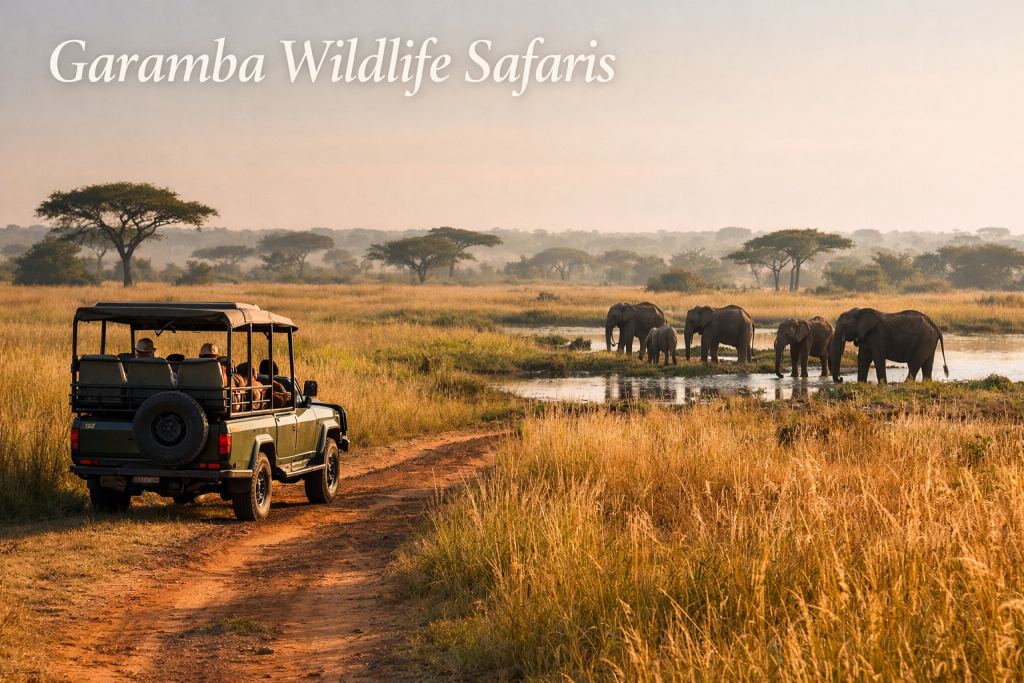
Garamba National Park Dr Congo functions as a working conservation area where visitors can participate in guided game drives and walking safaris to view elephants, buffalo, giraffes, and the recently reintroduced southern white rhino population. The park operates under co-management between African Parks and ICCN, with tourism supporting conservation funding. Access requires charter flights or 4×4 vehicles during dry months, and all activities must be arranged through licensed operators with advance notice. Wildlife sightings vary by season and location within the park, with no guarantees on specific species viewing.
Garamba National Park Dr Congo Location and Access
Garamba National Park Dr Congo sits in Haut-Uele province in the northeastern corner of the Democratic Republic of Congo, approximately 300 kilometers from the town of Dungu. The park borders South Sudan to the north and lies within the Sudano-Guinean savannah ecological zone.
Access to Garamba requires either charter flight to Nagero airstrip within the park or overland travel by 4×4 vehicle from Dungu. Road conditions deteriorate during rainy season (April to November), making the route impassable for standard vehicles. Charter flights operate from Entebbe, Uganda or Kinshasa, with flight times ranging from two to four hours depending on departure point.
Visitors must coordinate arrival times with park management, as security protocols require advance notification of all incoming travelers. The park does not permit independent arrivals without confirmed bookings through registered tour operators.
Wildlife Viewing at Garamba National Park Dr Congo
The park supports populations of African elephants, Cape buffalo, Rothschild’s giraffes, hippos, and various antelope species including kob, hartebeest, and waterbuck. Predators present include lions, leopards, and spotted hyenas, though sightings occur less frequently than herbivores.
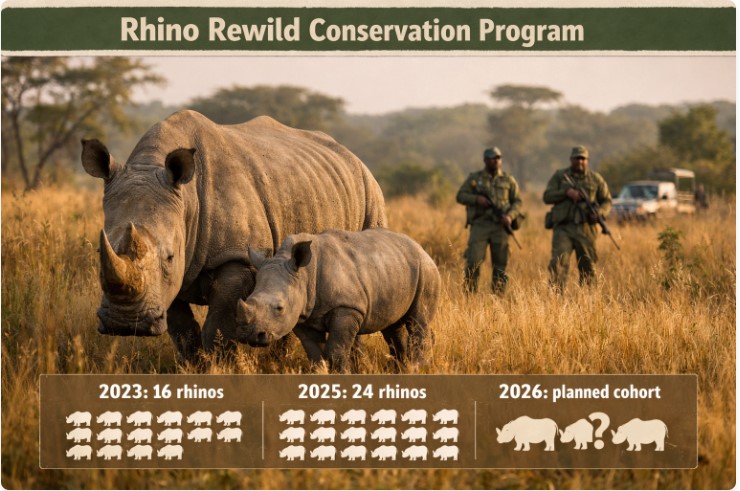
Garamba National Park Dr Congo completed a major rhino reintroduction program with 16 southern white rhinos translocated from South Africa in June 2023, followed by 24 additional animals in December 2025. A third cohort arrived in January 2026, establishing a founding population after the species’ decades-long absence from the DRC. The first wild birth in the reintroduced population occurred in 2025, confirming breeding success.
Bird species recorded in Garamba exceed 340, including shoebills in wetland areas, various raptors, and seasonal migrants. Birding activities focus on riverine habitats and seasonal floodplains where waterfowl concentrate.
Wildlife distribution shifts seasonally as animals follow water availability and grass growth patterns. Dry season concentrations near permanent water sources increase viewing success, while wet season dispersal reduces encounter rates.
Garamba National Park Dr Congo Safari Activities and Game Drives
Game drives operate in open-top safari vehicles with capacity for four to six passengers plus driver guide and armed ranger. Drives typically run three to four hours in early morning (departing 6:00 AM) or late afternoon (departing 3:30 PM) to coincide with peak animal activity periods.
Routes cover savannah grasslands, seasonal wetlands, and woodland edges depending on recent wildlife sightings and road conditions. Drivers maintain radio contact with ranger patrols to locate animal concentrations and avoid closed areas.
Walking safaris last two to three hours and require moderate fitness levels. Participants must be at least 16 years old and follow ranger instructions regarding approach distances and behavior protocols. Walks focus on tracking signs, understanding ecology, and close observation of smaller species often missed from vehicles.
Night drives are not offered due to security protocols and park regulations. All safari activities conclude before dark, with visitors required to return to accommodation areas by 6:30 PM.
Garamba National Park Dr Congo Rhino Rewild Conservation Program
The rhino reintroduction program represents a multi-year species recovery effort managed by African Parks in collaboration with South African wildlife authorities and the DRC government. The December 2025 translocation involved 24 southern white rhinos transported over 50 hours from Munywana reserve in South Africa to Garamba.
The operation required coordination among veterinarians, logistics specialists, wildlife experts, and security teams to maintain animal welfare throughout the journey. Animals underwent health screening before departure and monitoring after release into acclimatized holding areas.
Provincial government support included road infrastructure improvements in Haut-Uele to facilitate park access and management operations. Community engagement programs run parallel to the reintroduction work, building local understanding of conservation objectives and creating economic linkages to wildlife protection.
The first birth in the reintroduced population occurred without complications, though one earlier calf survived after its mother died during delivery, indicating ongoing management challenges. Rangers monitor rhinos daily using tracking equipment and visual observation to assess health, behavior, and habitat use patterns.
Visitor viewing of rhinos follows strict protocols including minimum approach distances, limited group sizes, and time restrictions to minimize disturbance. Not all safari drives include rhino sightings, as animals range across large areas and viewing depends on current locations and accessibility.
Best Time to Visit Garamba National Park Dr Congo
The dry season from December through March offers optimal conditions for wildlife viewing and park access. Reduced vegetation height improves visibility, and animals concentrate near permanent water sources. Roads remain passable for 4×4 vehicles, and airstrip conditions support reliable flight operations.
Rainy season months (April to November) bring challenges including impassable roads, thick vegetation reducing sightings, and increased insect activity. Some areas of the park become inaccessible during peak rains. Tour operators reduce or suspend operations during the wettest months (July to September).
Temperature ranges from 20°C to 35°C year-round, with highest temperatures occurring in February and March before the rains begin. Mornings start cool, requiring light layers, while midday heat necessitates sun protection and hydration.
Wildlife behavior changes seasonally. Elephants disperse widely during rains when water is abundant, then concentrate in dry season. Birding improves during November to April when migrants arrive. Buffalo herds form larger aggregations in dry months.
Garamba National Park Dr Congo Accommodation and Facilities
Accommodation consists of tented camps operated by African Parks or licensed tour operators. Camps provide basic facilities including beds with mosquito nets, shared ablution blocks, and communal dining areas. Electricity runs on solar power with limited hours for charging devices.
Camps accommodate small groups, typically 12 to 20 guests maximum. Advance booking is required, with minimum stays of two nights standard. Camps close during peak rainy season when access becomes unreliable.
Meals are provided as part of accommodation packages, with menus focusing on locally sourced ingredients and simple preparation. Special dietary requirements need advance notice. Drinking water is treated and provided, with visitors advised to avoid untreated sources.
No lodges or permanent structures exist within the park. All accommodation uses temporary or semi-permanent tented structures to minimize environmental impact. Facilities meet basic comfort standards but do not include luxury amenities.
Garamba National Park Dr Congo Permits, Fees, and Regulations
Entry to Garamba National Park Dr Congo requires payment of conservation fees set by ICCN and African Parks. Current rates (2026) are approximately $100 per person per day for international visitors, with reduced rates for DRC residents. Fees support park operations, ranger salaries, and conservation programs.
Activity permits for game drives, walking safaris, and specialized birding excursions are included in tour operator packages. Independent visitors must arrange permits through park headquarters with minimum 48-hour advance notice.
Regulations enforced within the park include:
Visitors must remain with assigned guides at all times. No independent movement is permitted outside designated accommodation areas. Minimum approach distances to wildlife are seven meters for general species and 50 meters for rhinos. Feeding or attempting to touch wildlife results in immediate removal from the park.
Drone use is prohibited without written authorization from park management. Photography is permitted for personal use, with commercial filming requiring separate permits and fees. Collection of any natural materials including plants, rocks, or animal products is forbidden.
Vehicle speed limits are 30 kilometers per hour on park roads, reduced to 15 kilometers per hour near animal concentrations. Off-road driving is not allowed except in designated areas under ranger supervision.
Garamba National Park Dr Congo Conservation Context and Management
Garamba operates under a co-management agreement between the Institut Congolais pour la Conservation de la Nature and African Parks, a non-profit organization managing protected areas across Africa.This partnership model combines government authority with international conservation expertise and funding.
The park gained UNESCO World Heritage status based on its biodiversity value and role in protecting savannah ecosystems in Central Africa. This designation brings international attention and support but also monitoring obligations regarding conservation effectiveness.
Security challenges have historically affected Garamba, with poaching pressure on elephants and incursions from armed groups operating in border regions. Ranger teams receive training and equipment to conduct anti-poaching patrols and maintain park boundaries. Visitor safety protocols reflect these realities, with restricted movement and mandatory security briefings.
Community programs focus on building local support for conservation through employment opportunities, education initiatives, and benefit-sharing arrangements. Park management employs over 200 staff, many from surrounding communities, in ranger, logistics, and support roles.
The rhino reintroduction program serves as a flagship project demonstrating the park’s recovery trajectory and commitment to species restoration. Success requires sustained funding, security improvements, and continued community engagement to prevent poaching and habitat loss.
Getting to Garamba National Park Dr Congo
International visitors typically route through Entebbe, Uganda, where charter flight services to Garamba operate more reliably than from DRC cities. Flights depart based on confirmed bookings rather than scheduled service, with costs ranging from $800 to $1,500 per person depending on group size and aircraft type.
Overland access from Dungu requires 4×4 vehicles, experienced drivers familiar with the route, and travel during dry season months only. The journey takes six to eight hours under good conditions but can extend to multiple days if roads deteriorate. Security assessments are conducted before authorizing overland travel.
Visitors require valid passports with minimum six months validity and DRC visas obtained before arrival. Yellow fever vaccination certificates are mandatory for entry to the DRC. Malaria prophylaxis is strongly recommended, as the park lies in a high-transmission zone.
Tour operators handle logistics including flight arrangements, ground transfers, park permits, and accommodation bookings. Independent travel to Garamba is not practical due to access restrictions and limited infrastructure.
Garamba National Park Dr Congo Safari Costs and Booking
Safari packages to Garamba National Park Dr Congo range from $400 to $700 per person per day, including accommodation, meals, game drives, park fees, and guide services. Charter flight costs are additional and typically shared among group members.
Minimum group sizes of four to six participants often apply to make charter flights economically viable. Solo travelers or couples may join scheduled departures when available or pay supplemental fees for smaller aircraft.
Bookings require deposits of 30 to 50 percent, with final payment due 60 days before departure. Cancellation policies vary by operator but typically impose penalties increasing as departure approaches.
Travel insurance covering medical evacuation is required, as the park sits several hours from advanced medical facilities. Operators verify insurance coverage before confirming bookings.
Peak season (December to March) requires booking three to six months in advance due to limited accommodation capacity. Off-season availability increases but comes with access and weather risks.
What to Pack for Garamba National Park Dr Congo Safaris
Clothing requirements focus on neutral colors (khaki, brown, green, olive) for wildlife viewing. Bright colors and white are discouraged as they can disturb animals and attract insects. Long sleeves and pants provide sun protection and reduce insect bites.
Footwear needs include closed-toe walking shoes or boots with ankle support for walking safaris and comfortable sandals for camp use. Terrain includes uneven ground, thick grass, and occasional mud even in dry season.
Sun protection items are critical: wide-brimmed hat, high-SPF sunscreen, and sunglasses. Temperatures exceed 30°C midday, and shade is limited on game drives.
Insect repellent containing DEET (30 to 50 percent concentration) is necessary for malaria prevention. Mosquito nets are provided at camps, but repellent is needed during activities.
Binoculars improve wildlife viewing, with 8×42 or 10×42 specifications suitable for savannah distances. Cameras should include telephoto lenses (300mm minimum) for wildlife photography from required distances.
Personal medical supplies should include prescription medications, basic first aid items, and any specific treatments for pre-existing conditions. The park has limited medical facilities, and evacuation to advanced care takes hours.
Garamba National Park Dr Congo Health and Safety Considerations
Malaria transmission occurs year-round in Garamba, with highest risk during and after rainy season. Prophylaxis medication should begin before arrival and continue after departure according to prescribed schedules. Insect repellent and protective clothing reduce bite risk.
Yellow fever vaccination is mandatory for DRC entry and should be documented in an International Certificate of Vaccination. Routine vaccinations including hepatitis A, typhoid, and tetanus are recommended.
Water safety requires using only treated or bottled water for drinking and tooth brushing. Avoid ice unless confirmed to be made from treated water. Food safety is generally good at established camps, but travelers should monitor personal tolerance.
Security protocols include mandatory briefings on arrival, restricted movement outside designated areas, and compliance with ranger instructions. Visitors should not wander from camps or vehicles without authorization.
Medical evacuation insurance is required, as the nearest hospitals with advanced capabilities are in Entebbe, Uganda or Kinshasa, DRC, requiring charter flight evacuation. Response times for medical emergencies can exceed six hours.
Wildlife safety rules include maintaining required distances, remaining in vehicles unless authorized to exit, and avoiding sudden movements or loud noises near animals. Rangers carry firearms for protection but their use is a last resort.
FAQ About Garamba National Park Dr Congo
How many days should visitors spend at Garamba National Park Dr Congo?
A minimum of three days and two nights allows for four to six game drives and one walking safari, providing reasonable wildlife viewing opportunities. Five days offers better coverage of different park areas and increases chances of diverse sightings. Shorter visits limit activity options and may not justify charter flight costs.
Can visitors see rhinos at Garamba National Park Dr Congo?
Rhino sightings are possible but not guaranteed, as the reintroduced population ranges across large areas and viewing depends on current animal locations and accessibility. Rangers monitor rhino movements and attempt to position safari vehicles for viewing when conditions permit, but strict approach protocols limit viewing time and distance. Some visits may not include rhino sightings.
Is Garamba National Park Dr Congo safe for tourists in 2026?
The park operates with security protocols including ranger escorts, restricted movement areas, and advance coordination with security teams. African Parks maintains active anti-poaching patrols and monitors border regions. Visitors must follow all security guidelines and accept that the park operates in a region with historical instability. Tour operators conduct ongoing security assessments and suspend operations if conditions deteriorate.
What is the best month to visit Garamba National Park Dr Congo?
January and February offer optimal conditions with dry weather, good road access, concentrated wildlife near water sources, and lower vegetation for visibility. March remains suitable but temperatures increase. December marks the transition from rains and can have variable conditions. April through November brings challenges including poor roads, thick vegetation, and dispersed wildlife.
Do visitors need special permits for Garamba National Park Dr Congo?
Entry requires conservation fees paid to ICCN and African Parks, typically arranged through tour operators as part of package costs. DRC visas are required for all international visitors and must be obtained before arrival. Yellow fever vaccination certificates are mandatory. No separate permits are needed for standard game drives and walking safaris, but specialized activities like filming require additional authorization.
How do visitors get to Garamba National Park Dr Congo from Entebbe?
Charter flights operate from Entebbe International Airport to Nagero airstrip within Garamba, with flight time approximately two to three hours. Operators include regional charter companies serving conservation areas in Uganda and DRC. Flights require advance booking and operate based on confirmed passenger numbers rather than fixed schedules. Costs range from $800 to $1,500 per person depending on aircraft type and group size.
What wildlife can visitors expect to see at Garamba National Park Dr Congo?
Elephants, Cape buffalo, Rothschild’s giraffes, kob, hartebeest, and waterbuck are regularly observed during game drives. Hippos are common in riverine areas. Lions, leopards, and hyenas are present but sightings are less frequent. The reintroduced white rhino population may be visible depending on locations and access. Over 340 bird species are recorded, with shoebills, raptors, and waterfowl among notable sightings.
Are there accommodation options inside Garamba National Park Dr Congo?
Tented camps operated by African Parks or licensed tour operators provide the only accommodation within park boundaries. Camps offer basic facilities including beds with mosquito nets, shared bathrooms, solar power, and communal dining. No lodges or permanent buildings exist. Camps accommodate 12 to 20 guests maximum and require advance booking. Facilities close during peak rainy season when access becomes unreliable.
What is the rhino reintroduction program at Garamba National Park Dr Congo?
The program involves translocating southern white rhinos from South Africa to re-establish the species in the DRC after decades of absence. The first group of 16 rhinos arrived in June 2023, followed by 24 animals in December 2025 and additional animals in January 2026. The first birth in the wild occurred in 2025, confirming breeding success.The program includes veterinary monitoring, ranger protection, and community engagement to support long-term population establishment.
Can visitors do self-drive safaris at Garamba National Park Dr Congo?
Self-drive safaris are not permitted. All game drives must be conducted in park vehicles with assigned driver guides and armed ranger escorts. Visitors cannot bring private vehicles into wildlife viewing areas or drive independently. This regulation applies for security reasons, wildlife protection, and visitor safety. All movements outside accommodation areas require ranger accompaniment.
Key Takeaways About Garamba National Park Dr Congo
Garamba National Park Dr Congo operates as a managed conservation area in northeastern DRC with active programs focused on elephant protection and rhino reintroduction. The park covers 4,900 square kilometers of savannah and grassland habitat supporting diverse wildlife including elephants, buffalo, giraffes, and over 340 bird species.
Access requires charter flights to Nagero airstrip or 4×4 overland travel during dry season months only. All visits must be arranged through registered tour operators, with independent travel not practical due to access restrictions and security requirements.
The rhino reintroduction program successfully translocated 40 southern white rhinos between 2023 and 2026, with the first wild birth confirming breeding establishment. Viewing protocols maintain strict approach distances and time limits to minimize disturbance.
Safari activities include game drives, walking safaris, and birding excursions led by trained ranger guides. Night drives are not offered, and all activities conclude before dark. Accommodation consists of basic tented camps with solar power and shared facilities.
The dry season from December through March provides optimal visiting conditions with better wildlife viewing, passable roads, and reliable flight access. Rainy season brings challenges including poor access, thick vegetation, and dispersed wildlife.
Conservation fees of approximately $100 per person per day support park operations and ranger programs. Total safari costs range from $400 to $700 per person per day plus charter flight expenses. Bookings require advance deposits and travel insurance covering medical evacuation.
Security protocols reflect the park’s location in a historically unstable region, with mandatory ranger escorts, restricted movement, and ongoing security assessments. Visitors must follow all guidelines and accept operational realities of a working conservation area.
The park operates under co-management between ICCN and African Parks, combining government authority with international conservation expertise.This partnership supports anti-poaching efforts, community programs, and species recovery initiatives like the rhino reintroduction.
Health requirements include yellow fever vaccination, malaria prophylaxis, and comprehensive travel insurance. Medical facilities are limited, with evacuation to advanced care requiring charter flights to Entebbe or Kinshasa.
Garamba represents a conservation-focused safari destination where tourism supports wildlife protection rather than a developed tourist infrastructure. Visitors should expect basic facilities, restricted access, and variable wildlife viewing based on seasonal and ecological factors beyond human control.